
.jpeg)
Clinical effects and side effects of sotoraxib (AMG 510) combined with immunotherapy
1. Overview of Drugs
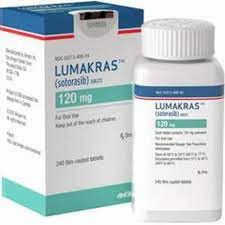
Sotorasib (trade name: AMG 510) is a KRAS G12C-specific small molecule inhibitor, mainly used to treat patients with non-small cell lung cancer (NSCLC) carrying KRAS G12C mutations. KRAS G12C mutation is common in NSCLC and other solid tumors and is a typical driver gene mutation. Sotorasiib covalently binds to the mutant KRAS protein and maintains it in an inactive state, thereby blocking the downstream RAS/MAPK signaling pathway and inhibiting tumor proliferation.
In recent years, immune checkpoint inhibitors (such as PD-1/PD-L1 antibodies) have shown good efficacy in tumor treatment. The combined use of sotoraxib and immunotherapy has become a research hotspot, aiming to improve the efficacy and prolong progression-free survival (PFS) and overall survival (OS).
2. Clinical effects of combined treatment
1. Overall efficacy
Clinical studies have shown that sotoraxib combined with PD-1/PD-L1 inhibitors can significantly improve the treatment response rate of patients with KRAS G12C-positive NSCLC. Some phase I and II trial data show that the overall response rate (ORR) of combination therapy can reach 40%-50%, which is significantly higher than the ORR of single agent sotoraxib (approximately 32%-37%). In addition, progression-free survival (PFS) and overall survival (OS) of some patients also show a trend of prolongation, especially for patients who have received multiple lines of therapy.
2. Drug resistance and recurrence control
The efficacy of single-agent sotoraxib may be reduced due to drug resistance, but combined immunotherapy can activate T cell immune responses and enhance the recognition and killing of mutated tumor cells by the tumor microenvironment, thereby delaying the occurrence of drug resistance to a certain extent and improving the disease control rate (DCR). In addition, for some patients with tumor immune evasion mechanisms, combined treatment can enhance the efficacy and improve symptom control.
3. Curative effect on brain metastasis and special lesions
1. Common side effects
Common adverse reactions of sotoraxib combined with immunotherapy include: fatigue, rash, nausea, diarrhea, abnormal liver function and mild abnormalities in hematological indicators. Among them, rash and elevated liver enzymes are the most common, most of which are grade 1-2 and can be relieved by symptomatic treatment or short-term drug withdrawal.
2. Immune-related side effects
Combining PD-1/PD-L1 inhibitors may cause immune-related side effects (irAEs), such as hepatitis, pneumonia, enteritis, thyroid dysfunction, etc. Most irAEs are reversible, but a few severe cases require discontinuation of the drug and treatment with glucocorticoids. Therefore, combined therapy requires strict monitoring of liver and kidney function, thyroid function and blood picture changes, and timely intervention.
3. Dosage and Tolerance Management
Clinically, sotoraxib is usually taken orally once a day, and the combined immunotherapy dose is implemented according to the standard protocol. For patients who experience moderate to severe adverse reactions, the dose of sotoraxib can be appropriately adjusted or the administration of immune drugs can be delayed to ensure safety while maintaining efficacy.
4. Clinical application suggestions and future prospects
Sotoraxib combined with immunotherapy has shown considerable efficacy and controllable safety in KRAS G12C-positive NSCLC, providing a new treatment option for patients who have failed previous treatments or are in advanced stages. During clinical use, the following points should be noted:
1. Genetic testing for precise medication: only applicable to KRAS G12C mutation-positive patients, molecular testing must be performed before treatment;
2. Efficacy monitoring: Regular imaging review and blood index monitoring to timely evaluate the efficacy and side effects;
3. Side effect management: timely intervention on immune-related side effects and sotoraxib-related adverse reactions to ensure patient safety;
4. Exploration of combination strategies: Future research can further explore the efficacy and safety of different immunological drugs, chemotherapy or other targeted drugs combined with sotorasibu, and optimize treatment options.
Overall, sotoraxib combined with immunotherapy provides a new precise combination treatment strategy for KRAS G12C-positive NSCLC, which not only significantly improves the efficacy of some patients, but also provides a clinical experience basis for the combined model of targeted therapy and immunotherapy.
Reference link: https://www.drugs.com
Sotorasib (trade name: AMG 510) is a KRAS G12C-specific small molecule inhibitor, mainly used to treat patients with non-small cell lung cancer (NSCLC) carrying KRAS G12C mutations. KRAS G12C mutation is common in NSCLC and other solid tumors and is a typical driver gene mutation. Sotorasiib covalently binds to the mutant KRAS protein and maintains it in an inactive state, thereby blocking the downstream RAS/MAPK signaling pathway and inhibiting tumor proliferation.
In recent years, immune checkpoint inhibitors (such as PD-1/PD-L1 antibodies) have shown good efficacy in tumor treatment. The combined use of sotoraxib and immunotherapy has become a research hotspot, aiming to improve the efficacy and prolong progression-free survival (PFS) and overall survival (OS).
2. Clinical effects of combined treatment
1. Overall efficacy
Clinical studies have shown that sotoraxib combined with PD-1/PD-L1 inhibitors can significantly improve the treatment response rate of patients with KRAS G12C-positive NSCLC. Some phase I and II trial data show that the overall response rate (ORR) of combination therapy can reach 40%-50%, which is significantly higher than the ORR of single agent sotoraxib (approximately 32%-37%). In addition, progression-free survival (PFS) and overall survival (OS) of some patients also show a trend of prolongation, especially for patients who have received multiple lines of therapy.
2. Drug resistance and recurrence control
The efficacy of single-agent sotoraxib may be reduced due to drug resistance, but combined immunotherapy can activate T cell immune responses and enhance the recognition and killing of mutated tumor cells by the tumor microenvironment, thereby delaying the occurrence of drug resistance to a certain extent and improving the disease control rate (DCR). In addition, for some patients with tumor immune evasion mechanisms, combined treatment can enhance the efficacy and improve symptom control.
3. Curative effect on brain metastasis and special lesions
Sotoracib has a certain ability to penetrate the blood-brain barrier, and combination with immunotherapy may play an additional role in patients with brain metastases. Early studies suggest that combined therapy can show certain advantages in controlling intracranial lesions, reducing neurological symptoms and improving quality of life.
1. Common side effects
Common adverse reactions of sotoraxib combined with immunotherapy include: fatigue, rash, nausea, diarrhea, abnormal liver function and mild abnormalities in hematological indicators. Among them, rash and elevated liver enzymes are the most common, most of which are grade 1-2 and can be relieved by symptomatic treatment or short-term drug withdrawal.
2. Immune-related side effects
Combining PD-1/PD-L1 inhibitors may cause immune-related side effects (irAEs), such as hepatitis, pneumonia, enteritis, thyroid dysfunction, etc. Most irAEs are reversible, but a few severe cases require discontinuation of the drug and treatment with glucocorticoids. Therefore, combined therapy requires strict monitoring of liver and kidney function, thyroid function and blood picture changes, and timely intervention.
3. Dosage and Tolerance Management
Clinically, sotoraxib is usually taken orally once a day, and the combined immunotherapy dose is implemented according to the standard protocol. For patients who experience moderate to severe adverse reactions, the dose of sotoraxib can be appropriately adjusted or the administration of immune drugs can be delayed to ensure safety while maintaining efficacy.
4. Clinical application suggestions and future prospects
Sotoraxib combined with immunotherapy has shown considerable efficacy and controllable safety in KRAS G12C-positive NSCLC, providing a new treatment option for patients who have failed previous treatments or are in advanced stages. During clinical use, the following points should be noted:
1. Genetic testing for precise medication: only applicable to KRAS G12C mutation-positive patients, molecular testing must be performed before treatment;
2. Efficacy monitoring: Regular imaging review and blood index monitoring to timely evaluate the efficacy and side effects;
3. Side effect management: timely intervention on immune-related side effects and sotoraxib-related adverse reactions to ensure patient safety;
4. Exploration of combination strategies: Future research can further explore the efficacy and safety of different immunological drugs, chemotherapy or other targeted drugs combined with sotorasibu, and optimize treatment options.
Overall, sotoraxib combined with immunotherapy provides a new precise combination treatment strategy for KRAS G12C-positive NSCLC, which not only significantly improves the efficacy of some patients, but also provides a clinical experience basis for the combined model of targeted therapy and immunotherapy.
Reference link: https://www.drugs.com
[ 免责声明 ] 本页面内容来自公开渠道(如FDA官网、Drugs官网、原研药厂官网等),仅供持有医疗专业资质的人员用于医学药学研究参考,不构成任何治疗建议或药品推荐。所涉药品可能未在中国大陆获批上市,不适用于中国境内销售和使用。如需治疗,请咨询正规医疗机构。本站不提供药品销售或代购服务。


