
.jpeg)
Similarities and differences between rasagiline (Anzilai) and selegiline and guidance on their combined use
Rasagiline () and selegiline (Selegiline) both belong to monoamine oxidase-BInhibitors (MAO-BI) are important drugs in the treatment of Parkinson's disease (PD), used to improve motor symptoms and delay dopamine metabolism. Although both are MAO-B inhibitors, they have some differences in pharmacological properties, clinical applications and guidance on combined medication. This article will conduct a detailed analysis from four aspects: pharmacological mechanism, efficacy, safety and precautions for combined use.
From a pharmacological mechanism, both rasagiline and selegiline reduce the metabolism of dopamine in the brain by irreversibly inhibiting monoamine oxidaseB, thereby increasing the available amount of dopamine and improving the motor symptoms of Parkinson's disease. However, there are significant differences in chemical structure between the two. Rasagiline is a non-phenylethylamine derivative with a long half-life, can be administered once a day, has stable efficacy and has neuroprotective potential; while selegiline is a phenylethylamine derivative, which is mainly metabolized by the liver after oral administration to produce L-phenylalanine derivatives, including phenylethylamine and methamphetamine, which have central stimulant effects and may cause adverse reactions such as insomnia or palpitations.
From a clinical efficacy perspective, both have shown effectiveness in improving motor symptoms in patients with mild to moderate Parkinson's disease. In monotherapy, rasagiline can delay disease progression and improve motor scores (e.g. UPDRS), and is well tolerated, especially in early-stage Parkinson's disease. Selegiline is often used in combination with levodopa, which can enhance the effect of dopamine, reduce the dosage of levodopa and "on-off" fluctuations. However, because its metabolites have a stimulant effect, you need to pay attention to insomnia when using it at night. Overall, rasagiline is slightly better tolerated than selegiline, especially for patients who are intolerant to the side effects of selegiline.
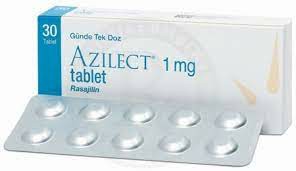
In terms of safety, both drugs can cause hypertension, elevated serum enzymes and a low risk of hyperkalemia, but you need to be wary of drug-drug interactions. When rasagiline is used in combination with other antidepressants (such as SSRIs, SNRIs, tricyclic antidepressants), the risk of serotonin syndrome should be noted, but the overall risk is lower than that of selegiline. Selegiline is metabolized to produce phenylethylamine and methamphetamine, which may cause side effects such as cardiovascular stimulation and insomnia. Therefore, the dosage must be strictly controlled when using it, and use at night should be avoided as much as possible.
Regarding guidance on combined use, it is currently not clinically recommended to use rasagiline and selegiline at the same time. Both are MAO-B inhibitors, and combined use may significantly increase the risk of serotonin syndrome and hypertensive crisis. If patients switch from selegiline to rasagiline, they should stop taking the drug for at least14 days before starting rasagiline treatment to avoid potential drug accumulation and adverse reactions. At the same time, both drugs can be used in combination with levodopa, but the dose needs to be adjusted according to the patient's movement fluctuations to prevent the "on-off" fluctuations from worsening or the occurrence of dopamine-related side effects.
In summary, although rasagiline and selegiline are both MAO-B inhibitors and can improve motor symptoms in patients with Parkinson's disease, they have differences in chemical structure, metabolites, tolerance and clinical application. Rasagiline is better tolerated and is suitable for patients with early-stage Parkinson's disease and those who are sensitive to the side effects of selegiline; selegiline is suitable for use in combination with levodopa, but attention should be paid to stimulant side effects. The two cannot be used at the same time. A drug withdrawal period needs to be separated when changing dressings, and the dosage must be carefully adjusted during combined levodopa treatment to ensure efficacy and safety. Rational selection and use of MAO-B inhibitors is of great significance for the long-term management of patients with Parkinson's disease.
Reference link:https://www.drugs.com
[ 免责声明 ] 本页面内容来自公开渠道(如FDA官网、Drugs官网、原研药厂官网等),仅供持有医疗专业资质的人员用于医学药学研究参考,不构成任何治疗建议或药品推荐。所涉药品可能未在中国大陆获批上市,不适用于中国境内销售和使用。如需治疗,请咨询正规医疗机构。本站不提供药品销售或代购服务。


