
.jpeg)
Detailed introduction to the main functions, efficacy and clinical indications of Fidaxomicin
Fidaxomicin is a new oral macrolide antibiotic that is highly selective. It mainly targets infections caused by Clostridioides difficile (Clostridioides difficile, C. difficile) and has shown significant efficacy in the treatment of Clostridium difficile infection (CDI). Since its global launch, fidaxomicin has gradually become an important treatment option for CDI due to its unique antibacterial mechanism and low recurrence rate. This article will introduce in detail four aspects: pharmacological effects, main effects, clinical indications and precautions for use.
First of all, from the perspective of pharmacological effects, fidaxomicin inhibits the RNA polymerase of C. difficile and blocks the synthesis of bacterial RNA, thereby achieving a bactericidal effect. This mechanism is different from other commonly used antibiotics such as vancomycin or metronidazole and is highly specific. Fidaxomicin is almost not absorbed in the intestine, and the drug concentration is mainly concentrated in the intestinal lumen, so it has less impact on the systemic flora. It can protect the balance of the normal intestinal microflora to the greatest extent and reduce the risk of secondary infection and drug-resistant strains. This local and highly efficient action feature makes it highly effective in treating C. difficile infection with a relatively low incidence of side effects.
In terms of main effects, fidaxomicin shows significant anti-C. difficile infection ability. Clinical studies have shown that compared with traditional antibiotic treatment, fidaxomicin not only performs well in the initial cure rate, but also has obvious advantages in reducing the recurrence rate of CDI. Multiple randomized controlled trials have shown that the clinical cure rate of fidaxomicin in patients with CDI can reach more than 88%, while the recurrence rate is less than 15%, which is significantly lower than that of patients treated with vancomycin or metronidazole. For patients with a high risk of recurrence, such as elderly patients, those with low immune function, or those who have long-term use of broad-spectrum antibiotics, fidaxomicin can effectively reduce the occurrence of recurrence and improve the overall treatment effect.
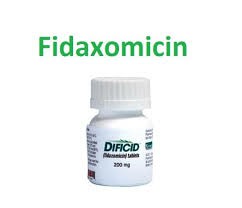
In terms of clinical indications, fidaxomicin is mainly used for mild, moderate to severe C. difficile infections in adults and children, including first episodes and recurrent CDI. It is particularly suitable for patients who have poor response to traditional antibiotics or who have frequent relapses. According to the latest guideline recommendations, fidaxomicin can be used as the first-choice drug for primary or recurrent CDItreatment, especially in patients at high risk of recurrence. During use, the doctor will adjust the dosage according to the patient's weight, age, liver and kidney function, and severity of the disease to ensure maximum efficacy and safety.
In addition, fidaxomicin has a good safety profile in clinical use. Common adverse reactions include gastrointestinal symptoms such as nausea, diarrhea or mild abdominal pain, most of which are mild to moderate and can heal on their own. Since it is almost not metabolized by the liver and kidneys and has low systemic toxicity, it can be safely used in patients with impaired liver and kidney function. However, it is still necessary to pay attention to its use with caution in pregnant women, lactating women, and patients allergic to macrolide antibiotics, and to strictly complete the course of treatment as directed by the doctor to reduce the risk of drug resistance and the chance of recurrence.
In summary, fidaxomicin, as an antibiotic with strong targeting and high local concentration in the intestine, has significant advantages in the treatment of C. difficile infections. Its main efficacy includes high cure rate, low recurrence rate and good tolerance. Its clinical indications cover mild, moderate to severe CDI and recurrent cases. With the accumulation of clinical application experience, fidaxomicin has become increasingly prominent in the management of CDI, providing safer, more efficient and sustainable treatment options for high-risk patients.
Reference link:https://www.drugs.com
[ 免责声明 ] 本页面内容来自公开渠道(如FDA官网、Drugs官网、原研药厂官网等),仅供持有医疗专业资质的人员用于医学药学研究参考,不构成任何治疗建议或药品推荐。所涉药品可能未在中国大陆获批上市,不适用于中国境内销售和使用。如需治疗,请咨询正规医疗机构。本站不提供药品销售或代购服务。


