
.jpeg)
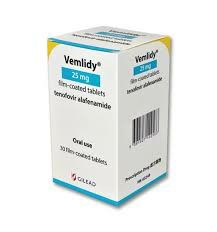
Analysis of the differences between domestic and imported versions of tenofovir alafenamide fumarate tablets (Vemlidy)
Tenofovir alafenamide fumarate tablets (Vemlidy) is a new type of nucleotide reverse transcriptase inhibitor (NRTI), mainly used to treat patients with chronic hepatitis B (CHB). As an oral prodrug of tenofovir alafenamide (TAF), it can significantly reduce the risk of kidney and bone toxicity while increasing the concentration of the drug in the liver, making it an important choice for long-term antiviral treatment of chronic hepatitis B. With the development of domestic and foreign drug markets, Wellide has both imported original drugs and domestic versions. There are certain differences between the two in terms of ingredients, dosage, price and accessibility. The following is a detailed analysis from multiple perspectives.
From the perspective of drug ingredients and dosage, the main active ingredient of the domestic and imported versions of Veride is exactly the same, which is tenofovir alafenamide fumarate. The common dosage specification is 25mg tablets. Whether it is a domestic or imported drug, its mechanism of action is to generate active metabolite TAF by hepatocyte esterase, and then inhibit the activity of hepatitis B virus (HBV) reverse transcriptase, thereby blocking virus replication. This means that in terms of clinical efficacy, domestic drugs and imported drugs are highly comparable in reducing serum HBV DNA levels, improving liver function and delaying the progression of liver fibrosis.
From the perspective of price and accessibility, due to the lower domestic production and distribution costs, the market price of domestically produced Veride is more affordable than imported drugs, and the financial burden on patients is relatively light. Imported original drugs are mainly introduced into the domestic market through overseas channels, and the price is relatively high. Especially for chronic hepatitis B patients undergoing long-term maintenance treatment, the economic pressure is obvious. Domestic drugs listed in the country are not only cheaper, but also have higher coverage in hospitals and pharmacies in various provinces and cities. Patients can obtain a stable supply without relying on overseas channels, which is of great significance for long-term antiviral treatment.
In terms of drug supervision and medical insurance policies, domestically produced Veride has been gradually included in the medical insurance reimbursement catalog in some regions, while imported drugs still have certain restrictions on medical insurance coverage, and patients need to purchase them at their own expense. The advantage of being included in medical insurance is not only favorable prices, but also promoting continued patient compliance, thereby improving long-term efficacy and quality of life. In addition, domestic drugs have been strictly approved by local regulatory agencies, and their quality standards meet the requirements of the National Pharmacopoeia. Drug stability, purity and clinical controllability are guaranteed, and their safety is basically the same as imported drugs.
Finally, from the perspective of clinical application and patient experience, there is little difference in safety and tolerability between domestically produced and imported Veride. Both exhibit low risk of nephrotoxicity and low bone density damage, and have good long-term safety profiles. After some patients switched to domestic drugs, their clinical indicators remained stable, demonstrating the substitutability of drug efficacy. At the same time, the packaging, supply chain and pharmacy coverage of domestically produced drugs are more in line with the medication habits of domestic patients, making it easier for doctors to prescribe and for patients to manage in the long term.
In summary, the domestic and imported versions of tenofovir alafenamide fumarate tablets (Velide) are highly consistent in terms of ingredients and clinical efficacy, but there are significant differences in price, medical insurance coverage and accessibility. Domestic drugs have obvious advantages in terms of affordable price, stable supply and medical insurance support, which can help improve long-term treatment compliance and economic feasibility of patients with chronic hepatitis B. Although imported drugs are reliable in efficacy, they are more expensive and are more suitable for patients who have demand for brand names or specific channels. Taken together, the launch and promotion of domestically produced Veride has significantly improved the convenience and affordability of medication for domestic chronic hepatitis B patients, providing an efficient, safe and economically feasible option for long-term antiviral treatment.
Reference link:https://www.drugs.com
[ 免责声明 ] 本页面内容来自公开渠道(如FDA官网、Drugs官网、原研药厂官网等),仅供持有医疗专业资质的人员用于医学药学研究参考,不构成任何治疗建议或药品推荐。所涉药品可能未在中国大陆获批上市,不适用于中国境内销售和使用。如需治疗,请咨询正规医疗机构。本站不提供药品销售或代购服务。


