
.jpeg)
Interactions and risks of eflornithine (IWILFIN) with other drugs
Efuranthine (IWILFIN, Efuranthine) is a new anti-tumor drug mainly used to treat advanced solid tumors and some hematological malignancies. As an oral small molecule chemotherapy drug, eflornithine inhibits nucleotide synthesis and DNA replication, blocking tumor cell proliferation, thereby achieving anti-tumor effects. Despite its remarkable efficacy, the interactions and potential risks of the drug with other drugs still require great attention during clinical application. This article will conduct a detailed analysis from four aspects: drug metabolism pathways, common drug interaction types, clinical risk management and medication strategies.
The metabolism of eflornithine mainly depends on the liverCYP450 enzyme system, especially the CYP3A4 and CYP2D6 subtypes. Through these enzyme systems, eflornithine can be oxidized and metabolized into active or inactive metabolites, which are then excreted through bile or urine. Therefore, any drug that affects the activity of CYP450 enzyme may change the blood concentration of eflornithine, thereby affecting the efficacy or increasing toxicity. For example, strong CYP3A4 inhibitors (such as clarithromycin and ketoconazole) may increase the blood concentration of eflornithine and increase the risk of side effects such as bone marrow suppression and liver function damage; while CYP3A4 inducers (such as rifampicin and carbamazepine) may reduce the blood concentration of the drug, leading to a decrease in anti-tumor efficacy.
Attention should also be paid to the pharmacodynamic interactions between eflornithine and other drugs. In combination chemotherapy regimens, eflornithine is often used concurrently with platinum, paclitaxel, or targeted drugs, which may increase cumulative drug toxicity. For example, when used in combination with highly myelosuppressive chemotherapy drugs, the patient's risk of neutropenia or thrombocytopenia is significantly increased; concurrent use of QT interval prolonging drugs (such as certain antiarrhythmic drugs or antibacterial drugs) may increase the risk of arrhythmia. Therefore, when using drugs in combination, the regimen needs to be adjusted based on the drug half-life, dosage, and individual patient conditions, and dynamic monitoring must be performed.
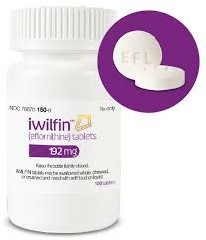
Eflornithine may also interact with commonly used supportive care medications. For example, antacids (such as proton pump inhibitors) may affect the absorption rate of eflornithine, thereby affecting the peak blood concentration; when diuretics or antihypertensive drugs are used together, they may indirectly affect drug clearance due to changes in renal function. In addition, if patients concurrently use herbal medicines or nutritional supplements (such as St. John's wort, ginkgo biloba), they may also change drug metabolism by inducing or inhibiting CYP450 enzymes, so they need to inform their doctor before taking medication.
In order to reduce the risk of drug interactions, a number of clinical management measures should be taken. First of all, the patient's past medication history, including prescription drugs, over-the-counter drugs, and health care products, needs to be carefully assessed before medication is taken to avoid potential enzyme inhibitory or inducing drugs; secondly, blood routine, liver and kidney function, and electrocardiogram should be regularly monitored during combined medication to detect abnormal indicators in a timely manner and adjust the dosage; finally, patient education is also very critical, and patients need to be reminded to follow medical advice and not to increase or decrease drug dosages at will or stop drugs on their own to reduce the risk of drug interactions.
In summary, eflornithine (IWILFIN), as a highly selective anti-tumor drug, while exerting significant efficacy, its interactions with other drugs and potential risks cannot be ignored. In clinical application, it is necessary to focus on the metabolism-related drug interactions of CYP450, the cumulative toxicity of combined chemotherapy drugs, the impact of cardiovascular drugs and supportive care drugs, and patients' medication habits. Through standardized medication, regular monitoring and individualized dose adjustment, the efficacy and safety of eflornithine can be guaranteed to the greatest extent, and an efficient and controllable treatment plan can be provided for tumor patients.
Reference link:https://www.drugs.com
[ 免责声明 ] 本页面内容来自公开渠道(如FDA官网、Drugs官网、原研药厂官网等),仅供持有医疗专业资质的人员用于医学药学研究参考,不构成任何治疗建议或药品推荐。所涉药品可能未在中国大陆获批上市,不适用于中国境内销售和使用。如需治疗,请咨询正规医疗机构。本站不提供药品销售或代购服务。


