
.jpeg)
What does the instructions for Vandetanib contain?
1. Name
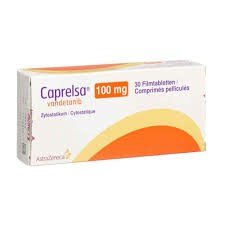
Vandetanib, trade nameCaprelsa, is a targeted therapy drug for specific types of cancer. Its chemical structure and mechanism of action make it important in tumor treatment.
2. Indications
Vandertanib is primarily indicated for the treatment of unresectable locally advanced or metastatic medullary thyroid carcinoma (MTC; thyroid cancer), especially those with severe symptoms or rapid progression. Before using vandetanib, doctors need to conduct a comprehensive assessment of the patient's specific condition and carefully consider the potential risks of treatment. If the patient's condition is relatively stable and there are no obvious symptoms or mild symptoms, this drug treatment is not recommended.
3. Usage and dosage
1. Recommended dose: The recommended dose for adult patients is 300 mg orally administered daily, and continued use until disease progression or unacceptable side effects occur. If you miss a dose, you should not take the missed dose within 12 hours before the next dose. To take it, vandetanib tablets can be stirred in about 2 ounces of water for 10 minutes to disperse (although not completely dissolve) and need to be swallowed immediately. This method of administration is also applicable to patients receiving medication via a nasogastric tube or gastrostomy tube.
2. Dosage adjustment
If the patient experiences grade 3 or above adverse reactions after taking it, the dose should be reduced. The initial dose should be adjusted to 200 mg per day, and then further reduced to 100 mg. For patients with moderately impaired renal function, the recommended starting dose is 200 mg. This drug is not recommended for patients with moderate and severe hepatic impairment to avoid aggravating the condition or causing serious side effects.
4. Adverse reactions
Common adverse reactions of vandetanib include:
Diarrhea, nausea, fatigue, rash, acne, high blood pressure, headache, anorexia and abdominal pain.
Less common but potentially serious adverse reactions include:
QTc prolongation, heart failure, sudden death, severe skin toxicity, and Stevens-Johnson syndrome.
Other serious side effects include interstitial lung disease, bleeding, ischemic cerebrovascular events, and reversible posterior leukoencephalopathy syndrome.
In addition, vandetanib may have toxic effects on the embryo and fetus, so it should be used with caution in pregnant female patients.
5. Storage
Storage conditions for vandetanib are important and should be kept at room temperature20°C to 25°C (68°F to 77°F), with an allowable deviation of 15°C to 30°C (59°F to 86°F). Avoid crushing the medication during storage to maintain the effectiveness and stability of the medication.
6. Taboo
Patients with congenital long QT syndromeshould avoid the use of vandetanib to prevent potential cardiac risks.
7. Mechanism of action
Vandetanib exerts its anti-tumor effects by inhibiting the activity of multiple receptor tyrosine kinases.
Studies have shown that it can inhibit the tyrosine kinase activity of EGFR, VEGFR family, RET, BRK, TIE2, EPH receptor and Src kinase members.
These receptors play key roles in normal cellular functions and pathological processes such as tumorigenesis, metastasis, tumor angiogenesis, and maintenance of the tumor microenvironment.
In addition, theN-demetabolite of vandetanib also showed similar inhibitory activity, further enhancing the anti-tumor effect of the drug.
Reference materials:https://www.drugs.com/caprelsa.html·
[ 免责声明 ] 本页面内容来自公开渠道(如FDA官网、Drugs官网、原研药厂官网等),仅供持有医疗专业资质的人员用于医学药学研究参考,不构成任何治疗建议或药品推荐。所涉药品可能未在中国大陆获批上市,不适用于中国境内销售和使用。如需治疗,请咨询正规医疗机构。本站不提供药品销售或代购服务。


