
.jpeg)
What are the side effects of tofacitinib/Shangjie?
Tofacitinib is an oral Janus kinase (JAK) inhibitor used to treat a variety of immune-related diseases, especially rheumatoid arthritis, psoriatic arthritis, ulcerative colitis (UC), ankylosing spondylitis, etc. As an immunomodulatory drug, it reduces joint inflammation and pain by inhibiting the JAK signaling pathway and reducing the activity of inflammatory factors. However, since its mechanism of action involves immune regulation, it is inevitably accompanied by certain side effects in clinical application.
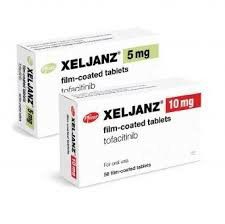
The most common side effects include an increased risk of infection due toJAK inhibition leading to a decrease in the body's immune defenses. Patients may develop upper respiratory tract infections, herpes zoster, or urinary tract infections during medication. Therefore, vaccination evaluation is usually required before treatment, and infection symptoms must be closely monitored during medication. In addition, tofacitinib may cause changes in hematological indicators, such as leukopenia, anemia, or a mild decrease in platelets, which requires regular blood routine examinations to detect abnormalities early and adjust the dose.
In addition, tofacitinib may cause abnormal liver function and elevated blood lipids. Elevated liver enzymes are usually reversible, but patients on long-term medication still need to regularly monitor liver function and blood lipid levels to reduce cardiovascular risk. Some patients may also experience gastrointestinal reactions, such as nausea, diarrhea, or loss of appetite. These side effects are usually mild and can be alleviated through dose adjustment or symptomatic treatment. In rare cases, long-term use of tofacitinib may increase the risk of thrombosis, especially in patients with underlying cardiovascular diseases. Therefore, individual risks need to be strictly assessed during medication.
In summary, although tofacitinib has significant efficacy in controlling inflammation and improving rheumatoid symptoms, its side effects mainly involve immune suppression, hematological changes, liver function and blood lipid fluctuations. Clinicians usually develop a monitoring plan based on the patient's basic health status, past medical history, and medication dosage to ensure efficacy while minimizing the incidence of adverse events. .
Reference materials:https://www.xeljanz.com/
[ 免责声明 ] 本页面内容来自公开渠道(如FDA官网、Drugs官网、原研药厂官网等),仅供持有医疗专业资质的人员用于医学药学研究参考,不构成任何治疗建议或药品推荐。所涉药品可能未在中国大陆获批上市,不适用于中国境内销售和使用。如需治疗,请咨询正规医疗机构。本站不提供药品销售或代购服务。


