
.jpeg)
The latest progress in the phase 2 trial of THIO combined with cemiplimab in the treatment of non-small cell lung cancer
In patients with advanced lung cancer (non-small cell lung cancer, NSCLC) who have experienced failure of two or more standard-of-care treatments, the combination of THIO and cemiplimab (Cemiplimab) has demonstrated safety, efficacy and sustained treatment benefit over the past 12 months. This research result provides new hope for the treatment of patients with advanced NSCLC, especially those who have faced multiple treatment failures. These patients are often on the fringes of treatment, with limited existing treatment options, and the emergence of this new option may bring them new hope.
THIO, 6-thio-dG or 6-thio-2'-deoxyguanosine, is a new type of telomere-targeting drug, and studies have shown its potential in anti-tumor. In current clinical studies, the combination of THIO and cimepilimab is included in the multicenter, open-label, dose-finding, phase 2 THIO-101 clinical trial. This is the first trial designed to evaluate the anti-tumor activity of THIO in combination with a PD-(L)1 inhibitor. The design of this trial is very scientific and aims to provide better treatment options for patients with advanced lung cancer by comprehensively evaluating the safety, tolerability and clinical efficacy of THIO.
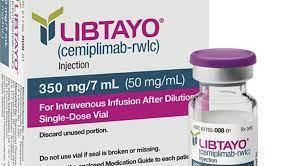
In the specific trial design, patients were treated every3 weeks. Patients received 60 mg incremental doses of THIO on days 1, 2, and 3 (total 180 mg), followed by immune activation on day 4 and then no further medication. Patients received 350 mg of cimepilimab on day 5. Through such a program, researchers hope to maximize the activation of patients' immune systems and improve the effectiveness of treatment. According to the most recent data available as of June 12, 2024, six patients have continued receiving the regimen after completing at least 12 months of treatment.
In addition, the results of the clinical trial showed that the treatment regimen was well tolerated throughout its implementation and had significantly reduced toxicity compared with traditional standard of care. This finding is undoubtedly a positive sign for clinicians and patients. Especially in cancer treatment, patient tolerance is closely related to quality of life. Low-toxic treatments not only improve patients' survival time, but also improve their quality of life, giving them a better experience in the fight against cancer.
Accepted so farThe patient with the longest treatment time of THIO has completed 21 cycles, and the survival follow-up of 6 patients exceeded 12 months. This result brings new hope to patients. According to current treatment methods, the average treatment time for second-line patients is usually 3 to 4 months, and even the third-line treatment time is shorter. However, it is very encouraging to the clinical team to see that our patients are able to continue treatment for longer periods of time. This undoubtedly provides new possibilities for patients with advanced non-small cell lung cancer who face limited treatment options.
The sustained benefit of THIO was particularly evident in long-term patients, suggesting it has the potential to be an effective treatment option for patients with advanced NSCLC who face limited options. The emergence of this new therapy not only provides new treatment hope for patients, but also opens up a new direction for research in the field of oncology. In the future, we look forward to further verifying the efficacy and safety of THIO in larger-scale clinical trials so as to bring benefits to more patients.
Reference materials:https://www.libtayohcp.com/
[ 免责声明 ] 本页面内容来自公开渠道(如FDA官网、Drugs官网、原研药厂官网等),仅供持有医疗专业资质的人员用于医学药学研究参考,不构成任何治疗建议或药品推荐。所涉药品可能未在中国大陆获批上市,不适用于中国境内销售和使用。如需治疗,请咨询正规医疗机构。本站不提供药品销售或代购服务。


