
.jpeg)
Selection considerations for abeciclib versus rebociclib in early-stage HR+/HER2 breast cancer: efficacy, safety, and long-term outcomes
Two new treatments are changing things for some cancer patients: Abemaciclib and Ribociclib. In a recent study, a team of Canadian researchers presented these new treatment options in a review article for adult patients diagnosed with early-stage hormone receptor (HR)-positive and human epidermal growth factor receptor 2 (HER2)-negative breast cancer.
This review article is based on 4 clinical trials: PALLAS, PENELOPE-B, marginale, and NATALEE. Riboxiclib plus endocrine therapy was equally effective as endocrine therapy alone in PALLAS and PENELOPE-B, so the remaining 2 trials are the main focus of this article. The age range of patients in the trial was 23 to 89 years old for abeciclib and 24 to 90 years old for reboxilib.
Abeciclib and reboxiclib are two newCDK4/6 inhibitors used to prevent cancer recurrence after treatment. Trial participants received CDK4/6 inhibitors in combination with adjuvant endocrine therapy (such as tamoxifen or aromatase inhibitors). In the marginale trial, patients received endocrine therapy with abeciclib 150 mg twice daily, while patients in the NATALE trial received a nonsteroidal aromatase inhibitor (NSAI) and ribopeptide 400 mg once daily for 3 weeks, followed by a 1-week break.
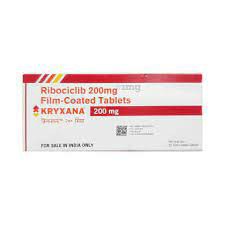
The researchers observed that abeciclib combined with endocrine therapy resulted in diarrhea in 84% of patients, neutropenia in 46% of patients, and fatigue in 41% of patients. 1 Among patients who received endocrine therapy alone, 38% experienced joint pain, 23% experienced hot flashes, and 18% experienced fatigue, all of which varied to varying degrees.
Abeciclib alone severely reduced all white blood cell counts by 11% and neutrophil counts by 20% and caused severe diarrhea in 8% of participants in the marginale trial. At the same time, reboxiclib caused severe neutropenia in 44% of patients and severe liver enzyme elevations in 9% of patients
With standalone useA majority (62%) of patients receiving NSAIDs experienced serious adverse reactions, compared with only 18% of patients receiving NSAIs. Finally, compared with patients who received endocrine therapy alone, those who received abeciclib plus endocrine therapy had a 6% reduction in mortality after 4 years and a 7.6% reduction in mortality after 5 years. After 4 years, Ribocil plus NSAI provided only a 4.9% improvement. The 2 trials had different population risk levels and survival endpoints.
Selecting abeciclib versus reboxilib in early-stage HR-positive, HER2-negative breast cancer requires careful consideration of trial evidence, toxicity profiles, and patient-specific factors. Abeciclib has a greater survival benefit but a higher risk of gastrointestinal adverse effects than reboxiclib, while reboxilib is associated with more blood and liver toxicities. Differences in study populations, treatment regimens, and endpoints emphasize the importance of shared decision-making between oncologists and patients to tailor treatment based on clinical needs, comorbidities, and patient preferences.
References:https://www.pharmacytimes.com/view/selection-considerations-for-abemaciclib-versus-ribociclib-in-early-hr-her2--breast-cancer-efficacy-safety-and-long-term-outcomes
[ 免责声明 ] 本页面内容来自公开渠道(如FDA官网、Drugs官网、原研药厂官网等),仅供持有医疗专业资质的人员用于医学药学研究参考,不构成任何治疗建议或药品推荐。所涉药品可能未在中国大陆获批上市,不适用于中国境内销售和使用。如需治疗,请咨询正规医疗机构。本站不提供药品销售或代购服务。


