
.jpeg)
Comparison of indications and pharmacological mechanisms between platinib (Pujihua) and anlotinib
Platinib (Pralsetinib) and anlotinib (Anlotinib) are both targeted anti-tumor drugs, but they belong to different types. Platinib is a highly selective RET tyrosine kinase inhibitor, mainly targeting tumors with RET gene mutations or fusions; while anlotinib is a multi-target small molecule tyrosine kinase inhibitor that can inhibit VEGFR, FGFR, PDGFR, c-Kit, have broad-spectrum anti-tumor effects. There are obvious differences between the two in scope of action, selectivity and clinical application direction.
Platinib is mainly suitable for patients with RETfusion-positive non-small cell lung cancer (NSCLC), papillary thyroid cancer and other RET driven solid tumors. Its treatment strategy emphasizes precise targeting and is suitable for people with specific genetic mutations. Anlotinib has a wide range of indications, including advanced non-small cell lung cancer, soft tissue sarcoma, thyroid cancer and some solid tumors. It is more used for broad-spectrum anti-tumor treatment and is suitable for patients who cannot perform gene-targeted screening or multi-target intervention needs.
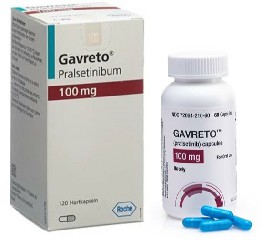
Platinib inhibits tumor cell proliferation and survival by highly selectively inhibiting RET kinase activity and blocking downstream RAS-MAPK and PI3K-AKT signaling pathways. It has relatively concentrated side effects and is well tolerated. Anlotinib inhibits angiogenesis receptors (such as VEGFR), tumor growth receptors (such as FGFR, PDGFR) through multiple targets. ) and stem cell factor receptor c-Kit, which both inhibit tumor angiogenesis and directly act on tumor cells, have a wider therapeutic effect, but have more types of side effects, including hypertension, proteinuria and bleeding risk.
In clinical practice, platinib is suitable for precise treatment of patients with RET driven tumors, and the target population can be screened through genetic testing to obtain the best therapeutic effect. Anlotinib can be used as a broad-spectrum anti-tumor regimen or a combination treatment regimen, and is suitable for a variety of solid tumors, especially for patients whose driver genes cannot be clearly identified or who have multiple target needs. When selecting drugs, doctors should make individualized decisions based on the patient's genetic status, disease type, and tolerance to achieve the best balance of efficacy and safety.
Reference link:https://www.drugs.com
xa0
[ 免责声明 ] 本页面内容来自公开渠道(如FDA官网、Drugs官网、原研药厂官网等),仅供持有医疗专业资质的人员用于医学药学研究参考,不构成任何治疗建议或药品推荐。所涉药品可能未在中国大陆获批上市,不适用于中国境内销售和使用。如需治疗,请咨询正规医疗机构。本站不提供药品销售或代购服务。


