
.jpeg)
The maximum number of days that Fenelidone (Keshenda) cannot be used continuously and its safety analysis
Finerenone (Finerenone) is a new type of selective mineral corticoid receptor antagonist (MRA), mainly used for the treatment of patients with chronic kidney disease (CKD) combined with type 2 diabetes. By inhibiting mineralocorticoid receptors, fenelinone can reduce renal inflammation and fibrosis, delay the deterioration of renal function, and also has a certain protective effect on cardiovascular events. Because its effects involve electrolyte balance and renal function, the safety and duration of continuous administration need to be rigorously evaluated.
There is usually no fixed "maximum number of continuous medication days" for fenelidone in clinical applications. Instead, it is adjusted individually based on the patient's renal function, serum potassium level and tolerance. Generally speaking, it can be used long-term as long as blood potassium levels are normal, kidney function is stable, and the patient has no serious side effects. However, in actual treatment, doctors will regularly monitor serum potassium, renal function indicators and blood pressure. If hyperkalemia or acute deterioration of renal function occurs, the medication should be suspended or the dosage should be adjusted to ensure medication safety.
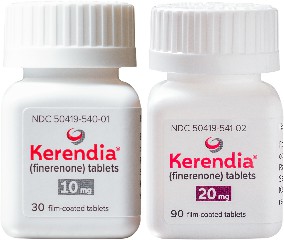
The most important safe management measure during the use of fenelidone is regular monitoring of serum potassium and renal function. Hyperkalemia is one of the most common serious risks of this drug, especially in patients taking ACEI/ARB concomitantly or with renal insufficiency. Clinical recommendations: Recheck serum potassium and renal function 2 weeks after starting medication, 4 weeks and every 3 months thereafter, and adjust the dose or discontinue medication based on the monitoring results. Additionally, patients should avoid high-potassium diets or other medications that affect blood potassium.
The medication regimen of fenelidone should be based on the principle of individualization, and the course of treatment and continuous medication time should be determined based on the patient's condition and laboratory indicators. For patients who tolerate it well, long-term maintenance treatment can be provided, but regular monitoring and follow-up systems need to be followed; for patients with elevated serum potassium or abnormal renal function, the drug should be discontinued or the dose should be adjusted in a timely manner. Through scientific management and monitoring, fenelidone can minimize safety risks while ensuring efficacy, and achieve long-term management goals for patients with chronic kidney disease.
Reference link:https://www.drugs.com
[ 免责声明 ] 本页面内容来自公开渠道(如FDA官网、Drugs官网、原研药厂官网等),仅供持有医疗专业资质的人员用于医学药学研究参考,不构成任何治疗建议或药品推荐。所涉药品可能未在中国大陆获批上市,不适用于中国境内销售和使用。如需治疗,请咨询正规医疗机构。本站不提供药品销售或代购服务。


