
.jpeg)
Analysis of the mechanism of action and common adverse reactions of seliniso (Silvio)
1. Overview of Drugs
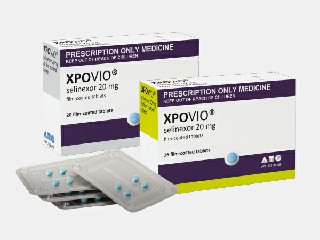
Selinexor (Selinexor) is an oral selective inhibitor of Nuclear Export (SINE), mainly used to treat patients with multiple myeloma (MM) and certain refractory non-Hodgkin lymphoma (NHL). This drug is an innovative small molecule drug that achieves anti-tumor effects by targeting nuclear export protein XPO1 (exportin 1). Selinisol is one of the first approved nuclear export inhibitors, providing a new treatment option for patients who are refractory to traditional chemotherapy.
2. Mechanism of action
The core mechanism of action of selinesol is to inhibitXPO1 protein function. In tumor cells, XPO1 is usually overexpressed, causing these tumor suppressors to be abnormally transported into the cytoplasm and lose their nuclear regulatory functions, thereby promoting tumor growth and drug resistance. Selinisol blocks nuclear export by specifically binding to
In addition, selinesol can regulate multiple cell signaling pathways, including NF-κB, STAT3, etc., reducing the expression of pro-survival proteins and increasing the activity of pro-apoptotic proteins, thereby inducing tumor cell apoptosis. This mechanism is different from traditional chemotherapy and does not rely on DNA damage or microtubule interference, so it may still be effective in patients with drug-resistant tumors.
3. Clinical application and efficacy
Selinesol is mainly used in relapsed or refractory patients in the treatment of multiple myeloma, especially those who have progressed despite previous treatment with proteasome inhibitors, immunomodulators or anti-CD38 antibodies. Clinical studies have shown that seliniso combined with low-dose deselizumab or dexamethasone can significantly improve the objective response rate (ORR), and some patients even achieve complete remission (CR). In non-Hodgkin lymphoma, selinesol has also shown certain efficacy, especially for refractory or relapsed patients, providing a new treatment option.
4. Common adverse reactions and treatments
1.Hematological toxicity: the most common include thrombocytopenia, anemia and neutropenia. Such side effects may lead to an increased risk of bleeding and infection. Clinical management is usually through dose adjustment, extended dosing intervals, or supportive care (such as growth factor stimulation).
2.Digestive system reactions: including nausea, vomiting, diarrhea and loss of appetite, and some patients may experience weight loss. Response measures include the use of anti-nausea medications, small portions of food in small portions, and nutritional support.
3. Central nervous system side effects: Seleniso may cause fatigue, headache, decreased concentration, or temporary disturbance of consciousness. Patients should avoid high-risk activities, such as driving or operating machinery, while taking the medication, and physicians can reduce symptoms by adjusting the dose or temporarily discontinuing the medication.
4. Metabolism and electrolyte abnormalities: Some patients may have abnormalities in blood sugar, potassium or sodium, and laboratory indicators need to be monitored regularly and corrected if necessary.
5.Other common side effects: oral ulcers, hair loss, fever, etc., which require patients’ daily care and supportive treatment to relieve discomfort.
5. Safety management and clinical suggestions
When using selinesol clinically, an individualized dosage regimen needs to be established and adjusted according to the patient's weight, liver and kidney function, and previous treatment history. Before starting treatment, blood routine, liver and kidney function, and infection risk should be assessed, and relevant indicators should be monitored regularly during treatment. For patients who experience serious adverse reactions, drug discontinuation, dose reduction or supportive treatment measures should be taken promptly. In addition, patients and their families need to fully understand the side effects of medications, record discomfort symptoms, and communicate with the medical team in a timely manner to ensure medication safety.
Selinisol, as one of the first nuclear export inhibitors, has significant efficacy in multiple myeloma and some refractory lymphomas. Its unique mechanism of action allows it to still play a therapeutic role in patients who are resistant to traditional chemotherapy. However, clinical use must be strictly monitored and managed individually due to hematological toxicity and multisystem side effects. Through scientific safety management, selinesol can provide new treatment options for patients with refractory tumors while taking into account both efficacy and safety.
Reference link:https://www.drugs.com
[ 免责声明 ] 本页面内容来自公开渠道(如FDA官网、Drugs官网、原研药厂官网等),仅供持有医疗专业资质的人员用于医学药学研究参考,不构成任何治疗建议或药品推荐。所涉药品可能未在中国大陆获批上市,不适用于中国境内销售和使用。如需治疗,请咨询正规医疗机构。本站不提供药品销售或代购服务。


