
.jpeg)
Does Linezolid/Swo need to be protected from light during infusion?
Linezolid (Linezolid) is an antibacterial drug belonging to the oxazolidinone class. It is mainly used to treat drug-resistant Gram-positive bacterial infections (bacterial infections). As the scope of clinical use continues to expand, many patients and medical staff will be concerned about whether light protection measures need to be taken during intravenous infusion. According to the currently published drug instructions and overseas professional literature, linezolid injection does not need to be specially protected from light during routine infusion. The physical and chemical properties of its solution are relatively stable and are not easily decomposed under light, so it can be intravenously dripped under ordinary conditions. However, it is still clinically recommended to avoid prolonged exposure to strong light, especially high temperatures or direct sunlight, to avoid affecting the stability of the medicinal solution.
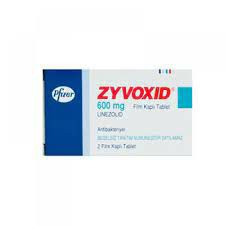
It is worth noting that linezolid, as an anti-infective drug, should usually be used as soon as possible after preparation and should not be stored for a long time. When dispensing in hospital pharmacies, they will generally be stored in a cold chain or at room temperature to avoid moisture, and clinical nurses should follow the principle of "ready to use" when operating. This not only helps maintain the quality of the medicinal solution but also reduces the risk of bacterial contamination. Some overseas pharmacopoeia data also point out that storage under light conditions for several hours will not cause significant degradation of active ingredients, but clinical practice still emphasizes the need to avoid unnecessary exposure.
For patients, what is more important to understand is the safety and efficacy guarantee during the infusion process. Linezolid is a prescription antibiotic that is commonly used to treat infections caused by drug-resistant bacteria, such as methicillin-resistant Staphylococcus aureus (MRSA) or drug-resistant enterococci. Due to the unique mechanism of drug action, it can inhibit bacterial protein synthesis, thereby achieving antibacterial effects. During the treatment process, medical staff will monitor blood drug concentration and risk of side effects, such as thrombocytopenia, lactic acidosis and other issues, according to the condition. Compared with whether to avoid light, medication course management and adverse reaction monitoring are more critical.
Reference materials:https://go.drugbank.com/drugs/DB00601
[ 免责声明 ] 本页面内容来自公开渠道(如FDA官网、Drugs官网、原研药厂官网等),仅供持有医疗专业资质的人员用于医学药学研究参考,不构成任何治疗建议或药品推荐。所涉药品可能未在中国大陆获批上市,不适用于中国境内销售和使用。如需治疗,请咨询正规医疗机构。本站不提供药品销售或代购服务。


