
.jpeg)
Effect evaluation and daily medication precautions after taking Platinib (Pujihua)
1. Evaluation of the therapeutic effect of Platinib
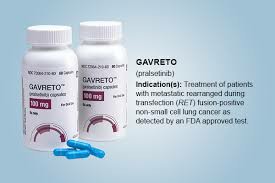
Pralsetinib is a highly selective RETkinase inhibitor, mainly used to treat RET gene fusion-positive non-small cell lung cancer (NSCLC) and RETmutated medullary thyroid carcinoma (MTC) and other tumor types. Clinical studies have shown that platinib can significantly delay disease progression and improve tumor response rates. When evaluating the efficacy of medication, doctors usually combine the following aspects for observation:
1.Imaging examination: CT or MRI will be performed at a certain period after the start of treatment (usually 8–12 weeks) to determine whether the tumor shrinks or remains stable. If the lesions shrink significantly or do not expand further, it means the drug is working.
2.Improvement of symptoms: After taking Platinib, some patients will feel less dyspnea, less frequent coughing, smaller neck masses, or relief of thyroid-related symptoms. These subjective symptom improvements are important reference indicators for efficacy.
3.Tumor markers: For patients with thyroid cancer, the decrease in serum calcitonin (Calcitonin) or carcinoembryonic antigen (CEA) can be used as an auxiliary evaluation index for efficacy.
4.Quality of life: Improvements in patients’ mental state, physical strength, appetite and sleep can also reflect the actual benefits of platinib.
It should be emphasized that not all patients can achieve complete remission with platinib, and some patients may only achieve stable disease, but this is still a positive treatment result. Therefore, patients should conduct long-term and regular follow-up for efficacy under the guidance of a doctor.
2. Precautions for daily medication
In order to ensure the safety and efficacy of platinib treatment, patients should pay attention to the following points during daily medication:
1. Taking medicine at a fixed time: Platinib is usually taken orally once a day. It is recommended to take it at the same time period to keep the drug concentration in the body stable.
2. Take it on an empty stomach or after a meal: Current research shows that Platinib can be taken before or after a meal, but it is recommended to avoid taking it with a large amount of high-fat meals to avoid affecting drug absorption.
3.Avoid drug interactions: Platinib mainly passesCYP3AEnzyme metabolism, patients should avoid simultaneous use with strong CYP3A inhibitors or inducers (such as ketoconazole, rifampin) to avoid excessive high or low drug plasma concentrations.
4.Pay attention to missed doses and refills: If the missed dose is within 12 hours, you can take it as soon as possible; if it exceeds 12 hours, skip the missed dose and do not double the dose to avoid increasing the risk of side effects.
5.Contraindications in pregnancy and lactation: Pregnant and lactating women are prohibited from using Platinib. Women of childbearing age need to take contraceptive measures during medication to avoid potential harm to the fetus.
3. Side Effect Monitoring and Countermeasures
Although platinib has significant efficacy, as a targeted drug, it may also cause certain adverse reactions. Common side effects include:
1. Hypertension: Some patients experience elevated blood pressure during treatment. Blood pressure should be monitored regularly and antihypertensive drugs should be used if necessary.
2.Abnormal liver function: manifested as elevated transaminases. Patients need regular blood tests. If obvious liver function damage occurs, the dose should be adjusted in time or the medication should be suspended.
3. Abnormalities in the hematopoietic system: may lead to a decrease in white blood cells or neutrophils, increasing the risk of infection. Patients who develop fever or sore throat need to seek medical attention immediately.
4.Digestive tract reactions: such as nausea, vomiting, diarrhea, etc. It is recommended to eat small amounts and frequently, and use antiemetics or antidiarrheals under the guidance of a doctor if necessary.
5.Interstitial pneumonia: Although rare, once dyspnea, worsening cough, or chest tightness occur, the drug should be stopped immediately and seek medical treatment.
Patients need to maintain close communication with their doctors during treatment. Once serious or persistent side effects occur, they should not stop taking the medication or adjust the dose on their own, but should be handled under the guidance of a doctor.
4. Life management and long-term follow-up
Platinib treatment is often a long-term process, and patients also need to pay attention to the following in their daily lives:
1.Healthy diet: Eat more high-protein, vitamin- and mineral-rich foods and avoid greasy and high-salt foods to help improve immunity.
2.Moderate exercise: Choose appropriate exercise based on your physical condition, such as walking, yoga or light stretching, to enhance physical strength and improve your mood.
3.Regular schedule: Maintaining adequate sleep and avoiding overexertion will help the body repair and tolerate medication.
4.Psychological support: Long-term treatment is prone to anxiety and depression. Patients can gain a positive attitude through family support, psychological counseling or patient mutual aid groups.
5.Regular review: Carry out imaging examinations, blood tests and tumor marker monitoring on time to facilitate doctors to adjust treatment plans in a timely manner.
Pralsetinib (Pralsetinib) brings new treatment hope to patients with RET fusion or mutation-driven tumors. Scientific evaluation of efficacy, standardized medication administration, and daily management can significantly improve patients' quality of life and treatment benefits. During use, patients should maintain close communication with professional doctors to achieve rational drug use, active monitoring and healthy living, so as to obtain better treatment effects.
Reference link:https://www.drugs.com
[ 免责声明 ] 本页面内容来自公开渠道(如FDA官网、Drugs官网、原研药厂官网等),仅供持有医疗专业资质的人员用于医学药学研究参考,不构成任何治疗建议或药品推荐。所涉药品可能未在中国大陆获批上市,不适用于中国境内销售和使用。如需治疗,请咨询正规医疗机构。本站不提供药品销售或代购服务。


