
.jpeg)
What are the side effects of capmatinib (Touradda) and how to reduce adverse drug reactions
1. Introduction and side effects of capmatinib
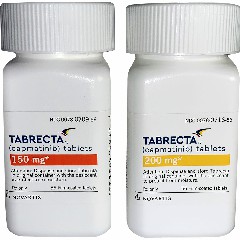
Capmatinib (trade name Tabrecta) is a selective MET kinase inhibitor, mainly used to treat patients carrying MET exon 14 skipping mutations (METex14 skipping patients with locally advanced or metastatic non-small cell lung cancer (NSCLC). Since its launch, capmatinib has shown significant efficacy in delaying tumor progression and improving patient response rates, and is considered an important targeted drug option for patients with MET mutations.
However, similar to most targeted drugs, capmatinib will also cause certain adverse reactions during treatment. According to clinical trial data and real-world medication experience, the adverse reactions of capmatinib are generally controllable, but some patients may experience moderate to severe side effects and require intervention under the guidance of a doctor. Therefore, patients and their families should remain vigilant about side effects without being overly fearful, and should pay attention to scientific management and prevention.
2. Common side effects of capmatinib
1.Gastrointestinal adverse reactions
Nausea, vomiting, loss of appetite, and diarrhea are among the most common side effects. Some patients may develop symptoms in the early stages of medication, usually with mild to moderate severity, but if they persist, they will affect nutritional intake and physical strength.
2.Peripheral edema
A higher proportion of patients may develop lower limb or ankle edema, manifested by swollen ankles and tight shoes. This is related to the effects of drugs on vascular permeability and renal metabolism. Most cases are mild to moderate, but if severe, dose adjustment or symptomatic treatment is required.
3.Abnormal liver function
Capmatinib may cause an increase in serum aminotransferases (ALT, AST), which may be accompanied by an increase in bilirubin in a few patients. Clinically, liver function needs to be monitored through regular blood tests to avoid severe liver damage.
4.Respiratory system response
A small number of patients may develop interstitial pneumonia (ILD) or lung inflammation. Symptoms include worsening cough, dyspnea, and chest tightness. If not treated in time, it may be life-threatening, so it needs to be taken seriously.
5. Abnormal laboratory indicators
Some patients may experience an increase in creatine kinase (CK), indicating that it may affect muscles; a few patients may experience an increase in blood creatinine, indicating mild impairment of renal function.
6.Other side effects
Fatigue, anemia, headache, rash, etc. are also possible adverse reactions of capmatinib. Although most are reversible, if symptoms are severe, they can significantly affect quality of life.
Overall, the incidence of side effects of capmatinib is high, but most of them are grade 1 to grade 2 (mild to moderate), which can be improved through symptomatic treatment and dose adjustment.
3. How to reduce the adverse reactions of capmatinib
In order to ensure the efficacy and reduce side effects during treatment, patients should follow the following aspects:
1.Standard monitoring and early detection
In the early stage of treatment, blood tests (liver function, kidney function, blood routine, creatine kinase) should be reviewed every 2–4 weeks.
Perform regular imaging examinations to detect lung abnormalities in a timely manner.
The patient himself should take the initiative to observe changes in weight, lower limb edema, changes in appetite and physical strength, and provide timely feedback to the doctor.
2.Rational diet and nutritional support
If nausea or loss of appetite occurs, eat small meals more often and avoid greasy food.
Maintain protein and vitamin intake to help your body repair and improve tolerance.
Rehydrate appropriately to avoid dehydration or electrolyte imbalance caused by diarrhea.
3.Drug-assisted and symptomatic treatment
For gastrointestinal reactions, antiemetics or antidiarrheals can be used under the guidance of a doctor.
For peripheral edema, the lower limbs can be elevated, elastic stockings can be worn, and diuretics can be used if necessary.
If abnormal liver function occurs, the doctor may discontinue the drug for a short period of time, reduce the dose, or combine it with hepatoprotective drugs.
Once dyspnea occurs, the medication should be stopped immediately and medical attention should be sought to check for interstitial pneumonia.
4.Individualized dose adjustment
If the side effects are mild (1–2 grade), medication can usually be continued and symptomatic treatment can be performed.
For serious adverse reactions of grade 3 or above, doctors will consider suspending the medication, reducing the dose, or discontinuing the medication if necessary.
Patients should never change the dosage on their own, and should make adjustments under the guidance of a doctor.
5.Avoid drug interactions
Capmatinib is mainly metabolized by CYP3A enzymes. Avoid coadministration with strong CYP3A inhibitors (such as ketoconazole) or inducers (such as rifampicin).
If patients need to take medications together, they should inform their doctor in advance to avoid aggravating adverse reactions due to drug interactions.
4. Daily management and summary of patients
As a targeted drug, capmatinib’s side effects are generally controllable and reversible. Most patients can successfully complete treatment and benefit from it through early intervention, symptomatic treatment, and regular monitoring. Patients should also pay attention to:
1.Regular schedule: maintain adequate sleep, avoid overexertion, and improve body tolerance.
2.Moderate exercise: Mild exercise such as walking and stretching can improve fatigue and edema.
3.Psychological adjustment: Long-term treatment can easily cause anxiety. Patients can seek family companionship, psychological consultation or patient group communication.
4.Long-term follow-up: Carry out imaging and blood tests as directed by the doctor, and dynamically evaluate the efficacy and safety of the drug.
In general, the side effects of capmatinib are not "small probability events", but most are mild to moderate, and the impact can be reduced through scientific management and doctor's guidance. Patients should remain patient and confident during the treatment process, communicate in a timely manner when encountering problems, and avoid stopping the medication or changing the dose without authorization. Only under the premise of ensuring safety, capmatinib can exert its maximum efficacy and bring patients longer survival and better quality of life.
Reference link:https://www.drugs.com
[ 免责声明 ] 本页面内容来自公开渠道(如FDA官网、Drugs官网、原研药厂官网等),仅供持有医疗专业资质的人员用于医学药学研究参考,不构成任何治疗建议或药品推荐。所涉药品可能未在中国大陆获批上市,不适用于中国境内销售和使用。如需治疗,请咨询正规医疗机构。本站不提供药品销售或代购服务。


