
.jpeg)
Analysis of the mechanism of action and targeted signaling pathways of regorafenib (Belvango)
Regorafenib (trade name Stivarga) is an oral small molecule multi-target tyrosine kinase inhibitor, mainly used to treat solid tumors such as advanced colorectal cancer, gastrointestinal stromal tumors (GIST), and hepatocellular carcinoma. As a multi-target drug, regorafenib can act on multiple signaling pathways simultaneously to inhibit tumor growth, angiogenesis and metastasis. Its unique mechanism allows it to still exert a certain efficacy in patients who are resistant to conventional chemotherapy or other targeted drugs, making it one of the important choices for the treatment of advanced tumors.
Regofenib can inhibit receptor kinases such asVEGFR1, VEGFR2, VEGFR3 and TIE2, thereby interfering with the proliferation of vascular endothelial cells and neovascularization. This inhibitory effect can reduce tumor blood supply, limit tumor nutrition and oxygen supply, and play an important role in inhibiting tumor growth and metastasis. In addition, it can further inhibit angiogenesis and stromal support in the tumor microenvironment and enhance anti-tumor effects by interfering with the PDGFR-β and FGFR pathways.
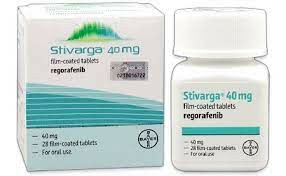
In addition to the angiogenesis pathway, regorafenib can also act on signaling pathways related to tumor cell proliferation and survival, including the RAF/MEK/ERK pathway and receptor kinases such as KIT, RET, and BRAF. These pathways play central roles in tumor cell proliferation, survival, and migration. By inhibiting these targets simultaneously, regorafenib can block the proliferation signals of tumor cells, promote apoptosis, inhibit tumor development, and delay the development of drug resistance.
The multi-target mechanism of action of regorafenib gives it obvious advantages in the treatment of advanced tumors, especially for patients who have failed previous chemotherapy or targeted drug treatments. By inhibiting angiogenesis and tumor proliferation signaling pathways, regorafenib can achieve comprehensive anti-tumor effects and improve patients' progression-free survival (PFS) and overall survival (OS). In the future, with the deepening of more clinical research, it is expected to exert greater potential in combination therapy, overcoming resistance mechanisms and precise medication, providing more effective treatment options for tumor patients.
Reference link:https://www.drugs.com
[ 免责声明 ] 本页面内容来自公开渠道(如FDA官网、Drugs官网、原研药厂官网等),仅供持有医疗专业资质的人员用于医学药学研究参考,不构成任何治疗建议或药品推荐。所涉药品可能未在中国大陆获批上市,不适用于中国境内销售和使用。如需治疗,请咨询正规医疗机构。本站不提供药品销售或代购服务。


