
.jpeg)
Full analysis of the side effects of Fenelidone (Keshenda) and how to deal with them
Finerenone (Finerenone) is a new type of non-steroidal selective mineralocorticoid receptor antagonist (MRA), mainly used to treat patients with chronic kidney disease (CKD) accompanied by 2 type diabetes. Compared with traditional spironolactone drugs, fenelidone has higher selectivity and lower risk of hormone-related side effects, so it has obvious advantages in controlling blood pressure, reducing proteinuria and delaying the decline of renal function. However, even if the drug is relatively safe, there are still certain adverse reactions. Understanding the types of side effects and scientific response methods is crucial for patients to use drugs safely.
Common side effects of fenelidone include high blood potassium (hyperkalemia), low blood pressure, mild to moderate changes in kidney function, and fatigue or dizziness. Hyperkalemia is the most concerning side effect, especially in patients with renal insufficiency. Elevated blood potassium may lead to arrhythmias or even serious cardiac events, so blood potassium levels must be monitored regularly during use. Hypotension is also a reaction that needs attention. Patients may experience dizziness, dizziness or syncope when standing up or moving, especially when diuretics, ACE inhibitors or ARB drugs are used at the same time. The risk is higher. In addition, some patients may experience slight changes in renal function indicators, such as mild increases in serum creatinine or urea nitrogen. This is usually caused by the drug's mechanism of action, but needs to be distinguished from changes in the condition.
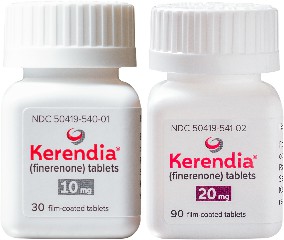
There are a series of clinical methods to deal with these side effects. For patients with hyperkalemia, they should first reduce the intake of high-potassium foods through dietary control, and regularly monitor blood potassium levels; if blood potassium continues to rise, the dose of fenelidone or temporary discontinuation of the drug may be considered, and potassium binders should be used according to the doctor's recommendations. Patients with hypotension should pay attention to changes in body position and avoid standing up suddenly. At the same time, doctors may adjust the dosage of other antihypertensive drugs. For minor changes in renal function indicators, there is usually no need to stop the drug immediately under the premise of continued monitoring. However, if there is a sustained upward trend, you should seek medical treatment in time to adjust the treatment plan. Patients should pay attention to adequate hydration during medication, maintain electrolyte balance, and ensure the safety and effectiveness of the medication.
In addition, management of adverse effects of fenelinone includes patient education and regular follow-up. Patients should be aware of potential side effects and warning signs. If they experience chest tightness, palpitations, severe dizziness or muscle weakness, they should contact their doctor immediately. Clinicians will develop an individualized monitoring plan based on the patient's kidney function, blood potassium levels, and overall cardiovascular risk. Reasonable dose selection and combined drug management are also important means to reduce the risk of side effects. For example, blood pressure and electrolyte levels need to be monitored closely in patients who are also taking ACE inhibitors or ARBs. Through scientific management and individualized treatment, most patients can obtain the renal and cardiovascular protective effects of fenelidone with controllable side effects.
In conclusion, fenelidone, as a new generation of non-steroidal selective mineral corticoid receptor antagonist, has important therapeutic value in patients with chronic kidney disease and diabetes. Hyperkalemia, hypotension and changes in renal function are the main side effects, but through reasonable monitoring, dose adjustment, dietary management and patient education, most side effects can be effectively controlled. Patients should strictly follow the doctor's instructions when using fenelidone, regularly review blood pressure, serum potassium and renal function indicators, and promptly report any abnormalities to the doctor, so as to fully exert the efficacy of the drug, delay disease progression and improve quality of life while ensuring safety.
Reference link:https://www.drugs.com
[ 免责声明 ] 本页面内容来自公开渠道(如FDA官网、Drugs官网、原研药厂官网等),仅供持有医疗专业资质的人员用于医学药学研究参考,不构成任何治疗建议或药品推荐。所涉药品可能未在中国大陆获批上市,不适用于中国境内销售和使用。如需治疗,请咨询正规医疗机构。本站不提供药品销售或代购服务。


