
.jpeg)
Six major contraindications and medication safety reminders for taking Mavakatai (Mefanto)
Mavacamten is a selective cardiac myosin inhibitor, mainly used to treat hypertrophic cardiomyopathy (HCM), especially patients with left ventricular outflow tract obstruction (oHCM). It relieves symptoms and reduces the risk of cardiac events by regulating myocardial contractile function, reducing excessive myocardial contraction and improving cardiac diastolic function. Although Mavaceta has shown significant clinical efficacy, not all patients are suitable for use. Understanding its main contraindications and safe medication tips is crucial to ensure efficacy and reduce risks.
Patients who are allergic to Mavacate or its excipients are prohibited from using it. Such patients may develop severe allergic reactions, including rash, itching, difficulty breathing, or a systemic allergic reaction (such as anaphylactic shock). Before taking medication, you should carefully read the drug instructions to ensure that the patient has no history of allergies, and closely monitor physical reactions during the early stages of treatment. If severe allergic symptoms occur, discontinue medication immediately and seek emergency medical attention.
Mavaceta should be contraindicated in patients with severe cardiac insufficiency or significantly reduced left ventricular ejection fraction (LVEF). Since the drug improves cardiac diastolic function by inhibiting myocardial contraction, if the myocardial contractility itself is insufficient, the use of Mavacartide may lead to an increase in heart failure or a decrease in cardiac output. This drug should be used with caution or avoided after evaluation by a physician in patients with symptomatic heart failure or acute cardiac events.
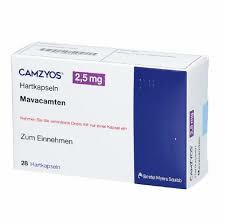
Mavaceta should be used with caution or contraindicated in patients with severe hepatic impairment. Mavaceta is mainly metabolized by the liver. Abnormal liver function may lead to drug accumulation in the body, thereby increasing drug toxicity and the risk of adverse reactions. Therefore, for patients with abnormal liver function indicators, it is necessary to adjust the dose or consider other alternative treatment options under the guidance of a doctor. Fourth, pregnant and lactating women should avoid using it. Existing data indicate that Mavacartide may affect fetal heart development or be passed to the baby through breast milk, posing potential risks. Therefore, pregnant or lactating patients need to strictly avoid taking the medication and take effective contraceptive measures.
Patients with severe renal impairment or taking drugs that affect renal function should be carefully evaluated. Although Mavaceta is mainly metabolized by the liver, abnormal renal function may affect the excretion of some metabolites and increase the risk of drug accumulation. Sixth, combine powerful CYP2C19 and CYP3A4Caution is advised in patients taking inhibitors or inducers. The metabolism of Mavaceta in the body relies on these enzyme systems, and drug interactions may cause the blood concentration to increase or decrease, thereby affecting the efficacy or increasing the risk of adverse reactions. Before coadministration, a physician should fully evaluate drug interactions and adjust dosage or choose alternative drugs if necessary.
In order to ensure the safety of medication, patients should pay attention to several aspects while taking Mavakatai: first, strictly follow the doctor's instructions and do not adjust the dose on their own; second, regularly monitor heart function, including echocardiography, left ventricular ejection fraction and symptom changes; third, pay attention to liver function and kidney function indicators changes, and report any abnormalities to the doctor in a timely manner; fourth, avoid the concurrent use of drugs that may interact with Mavaceta, such as certain antifungal drugs, anti-epileptic drugs or some antibiotics; fifth, pregnant women and women of childbearing age should take effective contraceptive measures and communicate with their doctors before planning pregnancy.
In short, as a new drug for the treatment of hypertrophic cardiomyopathy, Mavaceta can significantly improve patients' cardiac function and quality of life. However, its use must fully consider six major contraindications, including allergic reactions, cardiac insufficiency, liver and kidney damage, pregnancy and lactation, and potential drug interactions. By following medication guidelines, regular monitoring of indicators and individualized management, patients can obtain the clinical benefits of drugs while reducing risks and achieve safe and effective treatment goals.
Reference link:https://www.drugs.com
[ 免责声明 ] 本页面内容来自公开渠道(如FDA官网、Drugs官网、原研药厂官网等),仅供持有医疗专业资质的人员用于医学药学研究参考,不构成任何治疗建议或药品推荐。所涉药品可能未在中国大陆获批上市,不适用于中国境内销售和使用。如需治疗,请咨询正规医疗机构。本站不提供药品销售或代购服务。


