
.jpeg)
What is the therapeutic effect of Abatacept (Enrisu) and clinical efficacy evaluation analysis
Abatacept (Abatacept) is a fusion protein biological agent that mainly exerts immunomodulatory effects by interfering with the TT costimulatory signaling pathway. Clinically, abatacept is widely used to treat moderate to severe rheumatoid arthritis (RA), juvenile idiopathic arthritis (JIA) and other autoimmune diseases. Its core mechanism of action is to selectively inhibit the interaction between CD80/CD86 and CD28, thereby blocking T cell activation and the release of inflammatory factors, and reducing immune-mediated tissue damage. The therapeutic efficacy of abatacept has been confirmed in multiple clinical studies and is recommended by international guidelines as a treatment option for patients who are inadequately treated with conventional antirheumatic drugs (csDMARDs) or other biologics.
In the treatment of rheumatoid arthritis, abatacept can significantly improve joint inflammation symptoms and functional status. Clinical trials have shown that patients treated with abatacept have significant improvements in morning stiffness time, joint tenderness index and the number of swollen joints. At the same time, inflammatory indicators such as Creactive protein (CRP) and erythrocyte sedimentation rate (ESR) are significantly reduced. These changes reflect the efficacy of abatacept in suppressing inflammatory responses and reducing joint damage. In addition, some long-term follow-up studies have shown that abatacept can delay the progression of joint structural damage, reduce bone erosion and joint deformity, thereby improving patients' quality of life.
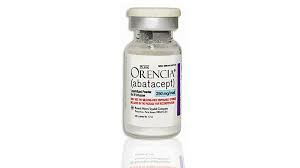
The efficacy evaluation of abatacept usually combines multi-dimensional indicators such as clinical symptoms, laboratory indicators and imaging examinations. Commonly used evaluation methods include disease activity score (DAS28), American College of Rheumatology (ACR) response criteria, and functional assessment questionnaire (HAQ). In these evaluation systems, the proportion of patients who achieve ACR20/50/70 response is an important indicator to measure the short-term efficacy of the drug, while DAS28 score reduction and HAQ score improvement reflect the patient's improvement in joint mobility and daily life functions. Additionally, pass the X line or MRIMonitoring changes in joint structure can more intuitively observe the inhibitory effect of abatacept on the process of joint destruction.
The clinical efficacy of abatacept shows certain differences in different patient groups. For example, the effect is more significant for patients with early-stage RA or those who have not received biological agents in the past; while for patients with long-term active RA or those who have failed multiple drug treatments, the effect may be relatively limited. Therefore, in clinical practice, individualized treatment plans should be formulated based on factors such as the patient's course of disease, previous treatment experience, and accompanying diseases. At the same time, regular evaluation of efficacy and adverse reactions will help optimize medication strategies and ensure that patients receive maximum treatment benefits. Overall, abatacept, as a biological agent that targets immune regulation, has significant efficacy in relieving symptoms, improving joint function, and delaying joint damage, and is an important treatment option in the treatment of autoimmune diseases.
Reference link:https://www.drugs.com
[ 免责声明 ] 本页面内容来自公开渠道(如FDA官网、Drugs官网、原研药厂官网等),仅供持有医疗专业资质的人员用于医学药学研究参考,不构成任何治疗建议或药品推荐。所涉药品可能未在中国大陆获批上市,不适用于中国境内销售和使用。如需治疗,请咨询正规医疗机构。本站不提供药品销售或代购服务。


