
.jpeg)
Comprehensive comparison of the efficacy, side effects and prices of Lebraxen (Dawei Ke) and Dali Laxant
Lemborexant and Daridorexant (Daridorexant) are new dual-receptor antagonists used to treat patients with insomnia. The main mechanism of action of both is to selectively antagonize Orexin receptors (including OX1R and OX2R) in the pulvinar nucleus of the brain that regulate arousal state, thereby reducing the intensity of arousal signals, thereby promoting sleep. Compared with traditional benzodiazepine or non-benzodiazepine hypnotics, these drugs generally have less impact on cognitive and memory functions while improving sleep quality, and also reduce dependence and tolerance problems.
In terms of efficacy, both Lebraxanthin and Dalithraxant can improve the time it takes to fall asleep, prolong the total sleep time and improve sleep efficiency. Clinical trials have shown that Leborexan can significantly improve sleep onset latency (Sleep Onset Latency, SOL) and total sleep time (Total Sleep Time, TST) in long-term use, while also having a certain inhibitory effect on the number of nighttime awakenings (Wake After Sleep Onset, WASO). DaliRasen has shown advantages in quickly improving sleep onset and maintaining continuous sleep. Both its short-term and long-term trials have shown significant efficacy in improving nighttime awakening and improving sleep continuity. Overall, the two have similar effects in improving sleep onset and maintaining sleep, but in individualized treatment, appropriate drugs can be selected based on the patient's main symptoms.
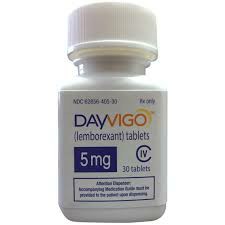
In terms of side effects, both were well tolerated, but symptoms such as headache, drowsiness, drowsiness, nausea, or abnormal dreams may still occur. The common side effects of Leborexen are mainly mild to moderate daytime drowsiness, with a relatively low incidence. Mild cognitive or attentional decline has been found in some clinical observations of Dalirexan, and it should be used with caution especially in elderly patients. Overall, the incidence of serious adverse events is low, but in elderly patients, patients with hepatic insufficiency or respiratory diseases, the dosage or drug selection should be adjusted according to the specific situation.
In terms of price and accessibility, the original drug of Lebrasin is sold in overseas markets such as Japan or the United States for about 1,000 yuan per box. It is currently on the market in China, but it is not covered by medical insurance, and the price still needs to be paid for at your own expense. Dali Raisin is also an imported drug with original research. The overseas price is usually higher than that of Raisin, which may range from 2,000 to 3,000 yuan per box. It has not been widely marketed in China and is not included in the medical insurance system. Both lack generic versions, so they mostly rely on overseas purchasing agents or formal import channels for purchase. Taken together, Lebraxan has a slight advantage in price, while Dalilaxan has a slight advantage in improving rapid sleep onset and continuous sleep. Clinical selection can be comprehensively judged based on the patient's symptoms, economic conditions and drug tolerance.
Generally speaking, both leborexin and dalireson are safe and effective drugs for insomnia, and both work through the Orexin receptor antagonistic mechanism. There is a slight difference in efficacy between the two, and both are well tolerated in terms of side effects. However, Lebraxen has a slight advantage in terms of price and accessibility. Clinically, individualized treatment plans should be formulated based on the patient's age, type of sleep disorder, concomitant diseases, and economic conditions to achieve safe, effective, and sustainable insomnia management.
Reference link:https://www.drugs.com
[ 免责声明 ] 本页面内容来自公开渠道(如FDA官网、Drugs官网、原研药厂官网等),仅供持有医疗专业资质的人员用于医学药学研究参考,不构成任何治疗建议或药品推荐。所涉药品可能未在中国大陆获批上市,不适用于中国境内销售和使用。如需治疗,请咨询正规医疗机构。本站不提供药品销售或代购服务。


