
.jpeg)
What are the differences between Etrasimod-Velsipity and mesalazine?
In the treatment of ulcerative colitis (UC), drug selection is a core factor affecting efficacy and long-term disease management. In recent years, with the emergence of new targeted drugs, the differences between traditional drugs and innovative drugs have increasingly attracted clinical attention. Etrasimod and mesalazine are two representative drugs. They have obvious differences in their mechanism of action, scope of indications, efficacy characteristics, safety and market positioning.
From the perspective of mechanism of action, there are essential differences between the two. Mesalazine is a classic 5-aminosalicylic acid (5-ASA) drug that mainly reduces intestinal mucosal inflammation through local anti-inflammatory effects. Its core mechanism is to inhibit the cyclooxygenase and lipoxygenase pathways, reduce the production of prostaglandins and leukotrienes, thereby alleviating the inflammatory response. It is widely used in mild to moderate patients with ulcerative colitis and is currently the basic drug used in first-line clinical practice. Itramod is a new type of sphingosine-1-phosphate (S1P) receptor modulator, which regulates the immune response by blocking the peripheral circulation of lymphocytes from entering the colonic inflammation area. This mechanism is more selective and systemic and is mainly used in patients with moderate to severe UC, especially those who have insufficient response to traditional treatments.
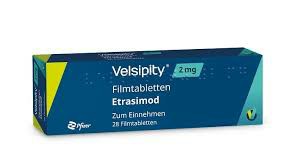
There are also obvious differences between the two in terms of indications and treatment stratification. Mesalamine is mainly suitable for newly diagnosed patients with mild to moderate UC. It is often used to induce and maintain remission. It has good long-term safety and is therefore regarded as one of the basic treatment options. Itramod is targeted at a more complex group of patients, especially those with limited efficacy or intolerance to 5-ASA or glucocorticoids. One of its research and development purposes is to provide an oral, non-injection alternative for patients with moderate to severe UC, filling the gap between traditional immunosuppressants and biological agents.
In terms of efficacy, mesalazine has a significant effect on mucosal healing and symptom control in mild UC. However, it is often insufficient in moderate to severe patients and needs to be combined with glucocorticoids or immunosuppressants. Itramod has been shown in clinical trials to significantly improve the clinical remission rate and endoscopic mucosal healing rate in moderate to severe patients, and to maintain long-term remission to a certain extent. Compared with traditional drugs, it has a more comprehensive effect and is more valuable for people with higher disease activity.
In terms of safety, mesalazine is well tolerated for long-term use. Common side effects include headache, nausea, mild abdominal pain, etc. Serious adverse reactions are rare, so it can be used as a long-term drug to maintain remission. Although itridimod has better overall safety, due to its effect onS1P receptor, which may lead to bradycardia, changes in blood pressure, abnormal liver function, or increased risk of mild infections. Therefore, it is usually necessary to monitor electrocardiogram and liver function indicators during application, and it is suitable for use under the guidance of a doctor.
In terms of dosing methods and patient compliance, mesalazine is available in oral tablets, sustained-release dosage forms, enemas, suppositories and other dosage forms, which can be selected individually according to the distribution of inflammation and condition. Itramod is mainly a once-daily oral tablet, which is more convenient than some biological agents that require injection, but the price is significantly higher than mesalamine.
Reference materials:https://www.drugs.com/mtm/etrasimod.html
[ 免责声明 ] 本页面内容来自公开渠道(如FDA官网、Drugs官网、原研药厂官网等),仅供持有医疗专业资质的人员用于医学药学研究参考,不构成任何治疗建议或药品推荐。所涉药品可能未在中国大陆获批上市,不适用于中国境内销售和使用。如需治疗,请咨询正规医疗机构。本站不提供药品销售或代购服务。


