
.jpeg)
Can I stop taking Mitotane once I take it?
Mitotane (Mitotane) is the core drug for the treatment of adrenocortical cancer (adrenal cancer). Its pharmacological properties determine that it usually requires long-term and continuous use. Mitotane has a long half-life in the body and can reach effective anti-tumor concentrations through accumulation while also inhibiting the synthesis of corticosteroids. If patients interrupt medication at will, tumor cells may resume proliferation, leading to disease recurrence or progression, and the therapeutic effect will be significantly reduced.
In clinical practice, mitotane's medication regimen usually adopts individualized blood drug concentration monitoring to ensure that the drug concentration is maintained within the effective range. Initial dose adjustment is mainly based on blood concentration and patient tolerance. Long-term maintenance treatment is still required after reaching steady state. Stopping the drug or suddenly reducing the dose may lead to a sudden drop in blood drug concentration, which may lead to tumor progression or fluctuations in corticosteroid levels, leading to hormone-related side effects such as hypotension and hypokalemia.
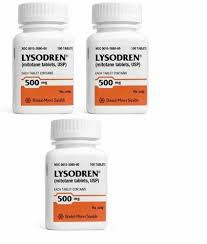
Long-term use of mitotane also requires strict laboratory monitoring, including blood concentration, liver and kidney function, hematological indicators, and adrenocortical hormone levels. At the same time, patients need to regularly review imaging indicators to evaluate the tumor control effect. During the adjustment process, doctors will gradually optimize the dose based on the patient's weight, tolerance and blood drug levels to ensure a balance between efficacy and safety.
Although mitotane requires long-term use, discontinuation is not absolutely inevitable. In some cases, such as severe adverse reactions or abnormal liver and kidney function, doctors may instruct patients to gradually reduce the dose until discontinuation of the drug, and adopt alternative treatment options. The key is that it must be done under the supervision of a physician, and you must not interrupt the medication on your own to avoid affecting the therapeutic effect or triggering an acute hormone deficiency reaction.
In short, once mitotane treatment is initiated, it is generally not advisable to stop the drug at will. The treatment process needs to be continuous, standardized and managed, and through blood concentration monitoring and regular review, long-term efficacy can be ensured while potential risks can be reduced.
Reference materials:https://go.drugbank.com/drugs/DB00648
[ 免责声明 ] 本页面内容来自公开渠道(如FDA官网、Drugs官网、原研药厂官网等),仅供持有医疗专业资质的人员用于医学药学研究参考,不构成任何治疗建议或药品推荐。所涉药品可能未在中国大陆获批上市,不适用于中国境内销售和使用。如需治疗,请咨询正规医疗机构。本站不提供药品销售或代购服务。


