
.jpeg)
Is Mitotane the most toxic drug?
Mitotane is indeed a highly toxic drug in the treatment of adrenocortical cancer (adrenal cancer), but it cannot simply be called the "most toxic". Its toxicity is mainly reflected in its impact on the digestive system, nervous system and liver. Common adverse reactions include nausea, vomiting, diarrhea, decreased appetite, fatigue, numbness of hands and feet, neuropsychiatric symptoms, and abnormal liver function indicators. These reactions are closely related to drug blood concentrations, so clinical risks are usually reduced through blood drug monitoring and dose adjustment.
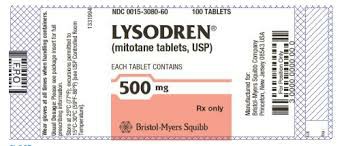
The toxicity profile of mitotane is different from that of traditional chemotherapy drugs. Traditional chemotherapy usually controls tumors by non-selectively killing rapidly proliferating cells. Common side effects include bone marrow suppression, alopecia and extensive gastrointestinal discomfort. Mitotane mainly targets adrenocortical cells and tumor cells, showing certain targeting properties. Although the adverse effects of mitotane may appear significant in some patients, scientific management and monitoring can effectively control the risk.
In addition, during long-term use of mitotane, drug accumulation may lead to increased plasma concentrations, thereby increasing the risk of neurological and hepatic toxicity. Therefore, during treatment, doctors usually make individualized dose adjustments based on the patient's blood concentration, weight, and tolerance, supplemented by regular laboratory tests and imaging evaluations. Through this management approach, most patients can achieve sustained efficacy within a safe range while reducing the occurrence of serious adverse events.
In summary, mitotane has a high toxicity profile, but its clinical application is still indispensable. Reasonable dosage, blood drug monitoring and continuous follow-up are the keys to reducing toxicity and ensuring efficacy. Patients and their families should fully understand the characteristics of the drug and use it according to the doctor's instructions to achieve safe and effective treatment. At the same time, they should avoid stopping the drug without authorization or adjusting the dose due to concerns about toxicity.
Reference materials:https://go.drugbank.com/drugs/DB00648
[ 免责声明 ] 本页面内容来自公开渠道(如FDA官网、Drugs官网、原研药厂官网等),仅供持有医疗专业资质的人员用于医学药学研究参考,不构成任何治疗建议或药品推荐。所涉药品可能未在中国大陆获批上市,不适用于中国境内销售和使用。如需治疗,请咨询正规医疗机构。本站不提供药品销售或代购服务。


