
.jpeg)
What are the side effects of tofacitinib/Shangjie?
As a JAK inhibitor, Tofacitinib has been recognized for its effectiveness in improving rheumatoid arthritis, psoriatic arthritis, ulcerative colitis (UC), ankylosing spondylitis and other diseases. However, like all immunomodulators, it is also associated with a certain risk of adverse reactions. During long-term use, the most common side effects of patients include increased risk of infection, changes in hematological indicators, and metabolism-related abnormalities.
The first is the risk of infection. Because tofacitinib inhibits cytokine signaling pathways, patients have reduced resistance to viruses, bacteria, and fungi. The clinical incidence of herpes zoster is considered to be higher than that in the general population, and some patients may also develop upper respiratory tract infection or urinary tract infection. Therefore, screening for tuberculosis and hepatitis B should be performed before treatment and closely monitored for signs of infection while on medication.
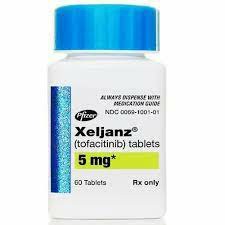
Followed by changes in the blood system. Some patients may experience a decrease in white blood cells, red blood cells, or thrombocytopenia, which is related to its inhibitory effect on the hematopoietic cytokine pathway. Therefore, doctors will recommend that patients undergo regular blood tests at the beginning of treatment and during follow-up visits to detect problems in time.
In addition, tofacitinib may also cause an increase in blood lipid levels. This change usually occurs in the early stages of treatment, and some patients need to cooperate with lipid-lowering therapy to reduce cardiovascular risk. In individual cases, mild abnormalities in liver function indicators may occur, which requires patients to maintain regular liver function monitoring during long-term medication.
Rare but important side effects include the risk of venous thrombosis and the potential concern of increased tumor incidence, which have been suggested in some long-term studies. Therefore, doctors will usually be more cautious in evaluating whether tofacitinib is suitable for people with a history of cardiovascular disease or who are at high risk.
In summary, the most common adverse reactions of tofacitinib are infection risk and hematological changes, but most side effects can be controlled through regular monitoring and individualized adjustments. For patients, understanding these side effects helps to maintain communication with doctors during the medication process, so as to achieve early detection and early intervention.
Reference materials:https://www.xeljanz.com/
[ 免责声明 ] 本页面内容来自公开渠道(如FDA官网、Drugs官网、原研药厂官网等),仅供持有医疗专业资质的人员用于医学药学研究参考,不构成任何治疗建议或药品推荐。所涉药品可能未在中国大陆获批上市,不适用于中国境内销售和使用。如需治疗,请咨询正规医疗机构。本站不提供药品销售或代购服务。


