
.jpeg)
Analysis of the effect and treatment course of Opicapone in the treatment of Parkinson's disease
Opicapone is an oral long-acting catechol-O-methyltransferase (COMT) inhibitor, mainly used for Parkinson’s disease (Parkinson’s Disease, PD) patients as an adjunct to levodopa/carbidopa treatment. Its mechanism of action is to inhibit peripheral COMT activity, reduce the peripheral metabolism of levodopa, and increase the availability of dopamine in the central nervous system, thereby improving motor symptoms such as limb stiffness, tremor, and bradykinesia. Compared with traditional short-acting COMT inhibitors, opicapone has a long half-life and can maintain stable blood concentrations after being administered once a day, significantly improving patient medication compliance.
Clinical trials have shown that Opicapone can effectively prolong the "on time" (ON time) and reduce the "off time" (OFF time). In a number of phase III clinical studies, patients with PD who received opicapone were OFF daily. >The average time is reduced by about 1 to 2 hours, while the ON time is extended, and motor control is significantly improved. This effect is particularly prominent in patients who have previously used levodopa/carbidopa but have fluctuated, and can significantly improve their daily living abilities and quality of life.
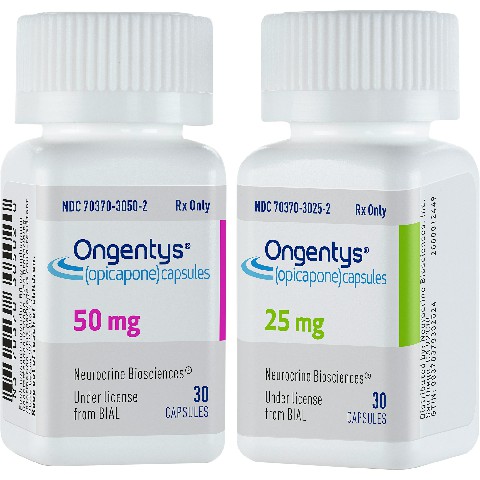
In terms of treatment schedule, Opicapone is usually used as an auxiliary medication to levodopa/carbidopa for long-term use. It is generally recommended to take it orally once a day before going to bed. It can be used at the same time as the main medicine, but it must be followed the guidance of a physician. The length of the treatment course can be adjusted based on the patient's symptom improvement, tolerance and clinical evaluation results. In the early stages of treatment, some patients may experience mild dopamine-related side effects, such as nausea, insomnia, or slight blood pressure fluctuations, which usually resolve gradually after continuing treatment for several days to weeks.
Generally speaking, Opicapone has shown good clinical efficacy in the treatment of Parkinson's disease, and is especially suitable for middle-to-late-stage patients with motor fluctuations. By extending the ON time and reducing the OFF time, motor symptoms and daily living abilities can be significantly improved. At the same time, its long-acting characteristics and good tolerance provide patients with a convenient long-term medication regimen. Clinical use should be combined with individualized assessment, regular monitoring and side effect management to ensure maximum efficacy and safety.
Reference link:https://www.drugs.com
[ 免责声明 ] 本页面内容来自公开渠道(如FDA官网、Drugs官网、原研药厂官网等),仅供持有医疗专业资质的人员用于医学药学研究参考,不构成任何治疗建议或药品推荐。所涉药品可能未在中国大陆获批上市,不适用于中国境内销售和使用。如需治疗,请咨询正规医疗机构。本站不提供药品销售或代购服务。


