
.jpeg)
Contraindications and high-risk medication groups for vorasidenib-VORANIGO
Vorasidenib (trade name VORANIGO) is an oral selective IDH1/IDH2 inhibitor, mainly used to treat carriers
The main contraindications to vosidenib include patients who are allergic to the drug or excipients. Anaphylaxis may manifest as rash, difficulty breathing, swelling of the face or throat, and in severe cases, anaphylactic shock. Therefore, patients with a known history of drug allergy should be cautious before using vorsidenib and assess the risks under the guidance of a physician. For patients with severe hepatic insufficiency (Child-Pugh C grade), since the drug is mainly metabolized by the liver, the plasma concentration may increase significantly, thereby increasing the risk of adverse reactions. Therefore, these patients are usually not recommended for use or the dose needs to be strictly adjusted.
High-risk drug users mainly include elderly patients, patients with liver and kidney dysfunction, and patients with other chronic diseases. Elderly patients have reduced metabolism and excretion capabilities, and are prone to drug accumulation, which increases the risk of hematology, liver function and gastrointestinal adverse reactions. Patients with hepatic insufficiency need to regularly monitor liver enzyme and bilirubin levels, and adjust the dose or temporarily discontinue the drug if necessary; although patients with renal insufficiency are mainly metabolized by the liver, they still need to pay attention to the potential risks that may arise from blood concentration and accumulation of metabolites. In addition, pregnant and lactating women should avoid using voxirinib. Due to the lack of sufficient human safety data, the drug may have adverse effects on the fetus or newborn. Women of childbearing age should take effective contraceptive measures during treatment.
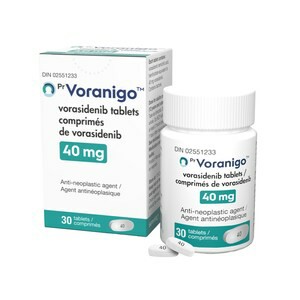
When using voroxiranib, you also need to pay attention to interactions with other drugs. StrongCYP3A4inhibitors or inducers may significantly change the plasma concentration of vorsidenib, affect the efficacy or increase the risk of adverse reactions. For example, combined use of ketoconazole, clarithromycin, etc.CYP3A4Inhibitors may lead to an increase in blood drug concentration and increase hepatotoxicity or hematological toxicity; while rifampicin, carbamazepine and other CYP3A4 inducers may reduce drug concentration and weaken the efficacy. Therefore, high-risk patients should comprehensively evaluate their past medication history when using voroxiranib, and adjust their medication regimen under the guidance of a physician.
Generally speaking, as a targeted drug for IDH1/IDH2 mutated glioma, vorsidenib has clear efficacy in improving the patient's condition and delaying tumor progression. However, its safe use must be based on a comprehensive assessment of contraindications, liver and kidney function status, high-risk groups and drug interactions. Through scientific management, regular monitoring, timely treatment of adverse reactions, and combined with individualized dose adjustment, vorsidenib can exert its clinical value while ensuring patient safety, and provide an effective and precise treatment plan for patients with IDH mutated glioma.
Reference link:https://www.drugs.com
[ 免责声明 ] 本页面内容来自公开渠道(如FDA官网、Drugs官网、原研药厂官网等),仅供持有医疗专业资质的人员用于医学药学研究参考,不构成任何治疗建议或药品推荐。所涉药品可能未在中国大陆获批上市,不适用于中国境内销售和使用。如需治疗,请咨询正规医疗机构。本站不提供药品销售或代购服务。


