
.jpeg)
Types of adverse reactions of Ordesibat (Belvi) and how to scientifically reduce risks
Odevixibat (trade name: Bei Erwei) is an oral small molecule drug mainly used to treat progressive cholestatic liver disease in children and adults, especially hereditary cholestasis diseases associated with severe pruritus, such as PFIC (Progressive Familial Intrahepatic Cholestasis). Its mechanism of action is to reduce the reabsorption of intestinal bile acids by selectively inhibiting intestinal bile acid transporters (IBAT/ASBT), thereby reducing plasma bile acid levels, relieving itching symptoms and improving liver function indicators. Although odexibat has remarkable efficacy, there are still certain adverse reactions in clinical application, which require scientific management to reduce risks.
The types of adverse reactions of odexibat mainly include gastrointestinal symptoms, liver function abnormalities and metabolism-related reactions. Gastrointestinal symptoms are the most common side effects and include diarrhea, nausea, abdominal pain, indigestion, or constipation. Most of these adverse reactions are mild to moderate, usually appear in the early stages of medication, and may gradually ease as the body adapts. Abnormal liver function is manifested by mild elevations in serum aminotransferases, bilirubin fluctuations, or changes in serum bile acids. Some patients may require close monitoring to avoid severe liver damage. A small number of patients may experience weight loss, vitamin absorption impairment, or fat-soluble vitamin deficiency, which is particularly concerning during long-term high-dose use.
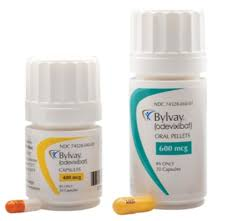
In order to scientifically reduce the risk of taking odexibat, clinical practice should start with individualized dosage, periodic monitoring and comprehensive supportive treatment. First of all, use the medicine strictly according to the doctor's prescription and do not adjust the dosage arbitrarily. Pediatric patients, in particular, need to adjust their dose based on body weight to avoid serious side effects from excessive doses. Secondly, before and during treatment, blood biochemical indicators, liver function and blood bile acid levels need to be monitored regularly to detect abnormalities in time and take intervention measures. If severe gastrointestinal discomfort occurs, symptoms can be improved by taking it in divided doses, taking it after meals, or using auxiliary drugs.
Additionally, supportive care plays an important role in reducing risk. For possible fat-soluble vitamin deficiencies, vitamins A, D, E and K can be supplemented under the guidance of a physician to ensure the patient's nutritional balance and bone health. For patients with chronic liver disease, routine liver protection treatment and lifestyle management should be combined, such as controlling high-fat diet, maintaining moderate exercise, and avoiding hepatotoxic drugs. Parents or caregivers should closely observe changes in children's weight, appetite, defecation and skin itching, and provide timely feedback to the doctor so that the treatment plan can be adjusted.
Overall, odexibat has significant efficacy in relieving itching associated with hereditary cholestasis and improving liver function, but it still has adverse reactions related to gastrointestinal tract, liver function and metabolism. By strictly following the individualized dosage plan, regularly monitoring clinical indicators, providing reasonable supportive treatment and timely adjustment of medication, risks can be minimized, safe and effective long-term management can be achieved, and patients can be provided with stable improvement in quality of life and disease control.
Reference link:https://www.drugs.com
[ 免责声明 ] 本页面内容来自公开渠道(如FDA官网、Drugs官网、原研药厂官网等),仅供持有医疗专业资质的人员用于医学药学研究参考,不构成任何治疗建议或药品推荐。所涉药品可能未在中国大陆获批上市,不适用于中国境内销售和使用。如需治疗,请咨询正规医疗机构。本站不提供药品销售或代购服务。


