
.jpeg)
Standard usage and dosage of Fidaxomicin and dosage adjustment methods for different patients
Fidaxomicin is a new macrolide antibiotic mainly used to treat Clostridioides difficile infection (CDI) in adults and children. Its mechanism of action is to inhibit bacterial RNA polymerase and prevent protein synthesis, thereby effectively killing or inhibiting the growth of Clostridium difficile. Since fidaxomicin mainly exerts a local effect in the intestine and is rarely absorbed, it has fewer systemic side effects. However, standardized guidance must be followed on dosage and treatment schedule to ensure efficacy and safety.
The standard usage for adult patients is oral administration, 200mg twice a day, for 10 days. Treatment should be started as soon as possible after CDI is diagnosed to minimize the risk of worsening symptoms and recurrence. The medicine should be swallowed whole and should not be chewed or crushed to ensure high local concentration of the antibacterial effect in the intestine. During the treatment period, patients need to maintain adequate fluid intake and cooperate with daily dietary management to reduce symptoms of diarrhea and gastrointestinal discomfort.
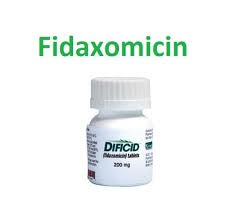
For special patient groups, such as patients with abnormal liver and kidney function or elderly patients, there is generally no need for routine dose adjustment, because the systemic absorption of fidaxomicin is limited and the blood concentration is low. However, for patients with severe hepatic impairment, it is still recommended to use it with caution under clinical monitoring and pay attention to possible drug tolerance. The dosage for pediatric patients is usually adjusted based on weight or age. Current guidelines recommend that children over 12 years old or weighing ≥40kg can refer to adult dosages, while children with lighter weights should develop an individualized dosage plan under the guidance of a specialist.
In clinical practice, patients with mild tolerance problems, such as abdominal pain, mild nausea, or mild elevation of liver function indicators, can be improved by extending the medication interval or taking auxiliary treatment measures, but the total course of treatment should not be reduced arbitrarily to avoid increasing the risk of recurrence. After completion of treatment, regular follow-up visits are required to observe symptom improvement and recurrence. Overall, fidaxomicin can achieve effective control and maximize the efficacy of CDI patients while ensuring safety through scientifically standardized standard doses and individualized adjustment strategies.
Reference link:https://www.drugs.com
[ 免责声明 ] 本页面内容来自公开渠道(如FDA官网、Drugs官网、原研药厂官网等),仅供持有医疗专业资质的人员用于医学药学研究参考,不构成任何治疗建议或药品推荐。所涉药品可能未在中国大陆获批上市,不适用于中国境内销售和使用。如需治疗,请咨询正规医疗机构。本站不提供药品销售或代购服务。


