
.jpeg)
Common side effects and scientific treatment methods of Mavakatai
Mavacamten is a new cardiac myosin inhibitor, mainly used to treat hypertrophic obstructive cardiomyopathy (HCM). It improves left ventricular outflow tract obstruction by regulating myocardial contractility, thereby relieving symptoms, improving exercise tolerance and quality of life. Although clinical trials have shown that its efficacy is significant, some side effects may still occur during actual use, which need to be dealt with and managed scientifically and standardizedly.
The most common side effects include cardiac function-related reactions, cardiac arrhythmias, and hematological or metabolic abnormalities. Some patients may experience a decrease in left ventricular systolic function in the early stages of medication, manifesting as fatigue, dizziness or mild heart failure symptoms; a few patients may develop arrhythmias, such as atrial fibrillation or premature ventricular contractions. A mild drop in blood pressure is also a common reaction in some patients, usually manifesting as occasional dizziness or orthostatic hypotension. Most of these side effects can be controlled with dose adjustment or continued monitoring, but they still require close attention.
For non-cardiac side effects, clinical symptoms such as headache, dizziness, fatigue and digestive tract discomfort, such as nausea or diarrhea, may also occur. This type of reaction is usually mild to moderate and can be gradually alleviated as the body adapts and the drug is metabolized. When these symptoms occur, patients should communicate with their doctor and should not stop taking the medicine on their own or increase or decrease the dose at will, so as not to affect the efficacy or aggravate the condition.
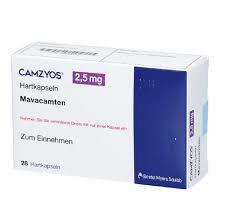
Scientific response methods mainly include individualized dose adjustment, regular heart function monitoring and lifestyle intervention. It is clinically recommended to conduct cardiac ultrasound, electrocardiogram and necessary hematology tests before starting treatment with Mavaceta to establish baseline data. During treatment, by regularly assessing changes in left ventricular ejection fraction (LVEF), cardiac structure and function, doctors can adjust the dosage according to patient tolerance to maintain efficacy while reducing the risk of side effects. For mild to moderate symptoms, intermittent dose adjustments or extended medication intervals can be adopted; if severe heart failure or significant abnormal heart rhythm occurs, the medication should be discontinued immediately and corresponding treatment measures should be taken. In addition, patients should maintain a regular schedule, exercise moderately, eat a low-salt diet, and avoid taking drugs that affect heart function on their own to help the drugs achieve optimal efficacy.
In general, although Mavaceta can significantly improve the clinical symptoms of patients with hypertrophic obstructive cardiomyopathy, side effects management is crucial. Through scientific monitoring, individualized dose adjustment and healthy lifestyle intervention, most side effects can be effectively controlled to maximize efficacy and safety. Patients should maintain close communication with their cardiologist and conduct regular follow-up and testing to ensure the safety, stability and optimal therapeutic effect of their medication.
Reference link:https://www.drugs.com
[ 免责声明 ] 本页面内容来自公开渠道(如FDA官网、Drugs官网、原研药厂官网等),仅供持有医疗专业资质的人员用于医学药学研究参考,不构成任何治疗建议或药品推荐。所涉药品可能未在中国大陆获批上市,不适用于中国境内销售和使用。如需治疗,请咨询正规医疗机构。本站不提供药品销售或代购服务。


