
.jpeg)
When symptoms occur, treatment with eflornithine (IWILFIN) may be considered
Eflornithine (IWILFIN) is an antineoplastic drug primarily used to treat certain types of solid tumors and hematological malignancies. Its mechanism of action is by inhibiting pyrimidine nucleotide metabolism, thereby blocking DNA synthesis and proliferation of tumor cells. When patients experience specific symptoms or abnormal pathological indicators, they may consider using eflornithine for treatment under the guidance of a doctor to delay the progression of the disease and improve the quality of life.
In clinical practice, eflornithine is often used to treat cancer patients with severe tumor burden, significant weight loss, or systemic symptoms such as anemia and fatigue. Especially for patients with limited response to chemotherapy or radiation therapy, eflornithine may be an option for further treatment to inhibit tumor growth and reduce symptoms. At the same time, if patients experience tumor-related symptoms such as pain, nausea, loss of appetite, etc., they may also consider adding eflornithine treatment after comprehensive evaluation.
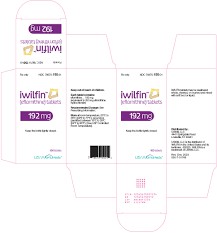
For blood system-related diseases, eflornithine is suitable for patients with abnormal blood cell indicators, myelodysplasia or early symptoms of leukemia. By inhibiting abnormal proliferation of blood cells, eflornithine improves hematological parameters, reduces the risk of bleeding or infection, and improves patient tolerance and efficacy of other treatment options. Patients usually need to undergo blood routine, bone marrow examination and related genetic testing before treatment to determine whether they are suitable for eflornithine.
In general, the use of eflornithine is mainly targeted at patients with large tumor burden, poor chemotherapy response, or specific hematological abnormalities. Prior to use, it must be evaluated by a professional doctor, including the type of tumor, severity of the condition, previous treatment options and overall physical condition. During the treatment process, hematological indicators, liver and kidney functions, and potential adverse reactions should be regularly monitored to ensure the safety and effectiveness of the drug. The treatment plan should be adjusted in a timely manner based on the efficacy to achieve individualized management.
Reference link:https://www.drugs.com
[ 免责声明 ] 本页面内容来自公开渠道(如FDA官网、Drugs官网、原研药厂官网等),仅供持有医疗专业资质的人员用于医学药学研究参考,不构成任何治疗建议或药品推荐。所涉药品可能未在中国大陆获批上市,不适用于中国境内销售和使用。如需治疗,请咨询正规医疗机构。本站不提供药品销售或代购服务。


