
.jpeg)
Detailed explanation of the instructions for use of Linezolid/Siwo
Linezolid (Linezolid), commonly known as Siva, is a new antibacterial drug belonging to the oxazolidinone class. It is widely used in clinical practice around the world to treat infections caused by multi-drug-resistant Gram-positive bacteria. Its English name is Linezolid. It is one of the few antibiotics that can be administered orally and intravenously with a bioavailability close to 100%, so it has great flexibility in clinical application.
As a drug specifically targeting Gram-positive bacteria, linezolid is mainly used for hospital-acquired pneumonia, community-acquired pneumonia, complex or simple skin and skin structure infections (bacterial infections) in adult and pediatric patients, and has unique value in the treatment of vancomycin-resistant enterococci (VRE) infections. It is not suitable for Gram-negative bacterial infections, so the type of pathogenic bacteria must be clarified before use to avoid delaying the condition due to incorrect medication.
In terms of its mechanism of action, linezolid blocks bacterial reproduction by inhibiting the protein synthesis of the 50S subunit of bacterial ribosomes, which is different from the mechanism of action of traditional antibiotics. This unique site of action makes it effective against methicillin-resistant Staphylococcus aureus (MRSA), drug-resistant Streptococcus pneumoniae, and enterococci that are not sensitive to vancomycin. Therefore, it is often used as the drug of choice in complex infections or drug-resistant bacterial infections.
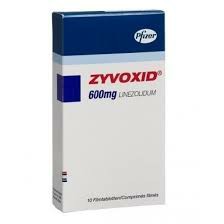
According to the instructions, the dosage of linezolid varies depending on the patient's age and the severity of the infection. For adults and pediatric patients over 12 years of age, the usual recommended dose is 400 to 600 mg orally or intravenously every 12 hours, with 600 mg being the most common dose. During the treatment process, there is no need to adjust the dose due to different administration routes, and intravenous and oral administration can be used interchangeably. This is very important in clinical practice, as it not only facilitates patient treatment compliance, but also helps doctors flexibly adjust the plan. For children under 12 years old, the dosage needs to be calculated accurately based on body weight, generally 10 mg per kilogram of body weight, once every 8 to 12 hours, and is determined by the doctor based on the specific situation. It should be noted that there is currently no systematic evaluation of the safety and efficacy of linezolid that exceeds 28 days. Therefore, the instructions recommend that the medication cycle should generally not exceed 4 weeks to reduce potential adverse reactions.
One of the pharmacokinetic advantages of linezolid is that it is completely absorbed after oral administration and food has little effect on it. Therefore, patients do not need to deliberately take the drug on an empty stomach or after eating, which provides convenience for long-term treatment patients. It is widely distributed in the body and can penetrate well into the lungs and soft tissues, so it is particularly effective in the treatment of pneumonia and skin infections.
However, linezolid is not without risks. Long-term use may cause bone marrow suppression, manifested as anemia, leukopenia, or thrombocytopenia. Therefore, the instructions recommend that blood routine monitoring be performed regularly during treatment, especially in patients who have exceeded 2 weeks. In addition, the drug may also cause lactic acidosis and peripheral neuropathy, which is also an important reason why long-term use for more than 28 days is not recommended. The risk of serotonin syndrome also needs to be considered in patients taking antidepressants concomitantly.
In clinical application, the advantages of linezolid lie in its strong ability to fight drug-resistant bacteria and its good oral substitution. It not only reduces the dependence of hospitalized patients on intravenous treatment, but also allows the treatment to be completed in the community or home environment, improving the patient's quality of life. For hospital infection control, linezolid also plays an important role in limiting the spread of drug-resistant bacteria.
Reference materials:https://go.drugbank.com/drugs/DB00601
[ 免责声明 ] 本页面内容来自公开渠道(如FDA官网、Drugs官网、原研药厂官网等),仅供持有医疗专业资质的人员用于医学药学研究参考,不构成任何治疗建议或药品推荐。所涉药品可能未在中国大陆获批上市,不适用于中国境内销售和使用。如需治疗,请咨询正规医疗机构。本站不提供药品销售或代购服务。


