
.jpeg)
What are the contents and usage of Dramani/Delba instructions?
1. The full name of the drug and its aliases
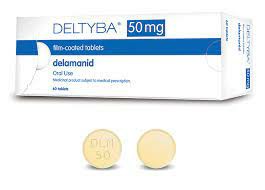
Delamanid (Delamanid), also known as Deltyba, is a specialized drug for the treatment of multidrug-resistant tuberculosis. As a new anti-tuberculosis drug, delamanid has received widespread attention around the world and has become one of the treatment options for many patients facing drug-resistant tuberculosis.
2. Indications
Delamanid is specifically used for adults, adolescents, children and infants weighing at least10kg, mainly for the treatment of pulmonary multi-drug-resistant tuberculosis (MDR-TB). The use of delamanid is particularly important as Mycobacterium tuberculosis becomes resistant to conventional anti-tuberculosis drugs, preventing patients from receiving effective standard treatments. Before use, doctors need to refer to relevant antibacterial drug use guidelines to determine whether delamanid is suitable for the patient's specific conditions.
3. Usage and dosage
Treatment regimens for delamanid must be developed and supervised by an experienced medical professional. It should always be included as part of the MDR-TB treatment regimen. The treatment cycle is 24 weeks, and after the end of treatment, patients should continue to use appropriate combination regimens for treatment. Directly observed therapy (DOT) is recommended when administering delamanid to ensure patients are taking their medication on time.
1. The recommended dosage is as follows:
Adults: The recommended dose is100 mg twice daily for 24 weeks.
Teenagers and Children:
Patients with body weight ≥30kg and <50kg: The recommended dose is 50mg twice daily for 24 weeks.
Patients with body weight≥50kg: The recommended dose is 100mg twice daily for 24 weeks.
4. Adverse reactions
Common side effects in patients receiving delamanid and its optimized treatment include nausea, vomiting, headache, insomnia, dizziness, tinnitus, hypokalemia, gastritis, decreased appetite, and fatigue. Patients should pay close attention to their symptoms during treatment and promptly report any discomfort to their doctor so that adjustments can be made.
5. Storage
The storage conditions of Delamani require it to be stored at room temperature and away from direct sunlight and humid environment to maintain the stability of the drug effect. When stored at home, patients should keep medications out of the reach of children.
6. Contraindications
Please note the following contraindications when using delamanid:
This drug is contraindicated in patients who are allergic to delamanid and its components.
Delamanid should not be used in patients with serum albumin levels less than2.8 g/dL.
Concurrent usePatients taking strong inducers of CYP3A4 (such as carbamazepine) should also be contraindicated.
7. Mechanism of action
Delamanid is a prodrug whose antimycobacterial activity depends on its biotransformation within the mycobacterialF420 coenzyme system. The activated drug achieves a bactericidal effect by inhibiting the synthesis of mycobacterial cell wall components. Delamanid works through a different mechanism than traditional anti-tuberculosis drugs, providing a novel treatment option.
8. Precautions
When using Dramani, special attention should be paid to the following aspects:
1. QT prolongation: During the first 6-10 weeks of treatment, the QTc interval may slowly prolong. To ensure patient safety, it is recommended to conduct an electrocardiogram (ECG) before treatment and to monitor the QTc interval regularly during treatment. If the QTc interval exceeds 500 ms, discontinuation of treatment should be considered.
2. Hypoalbuminemia: Low albumin levels are associated with an increased risk of QTc prolongation. Therefore, delamanid should be contraindicated in patients with albumin lower than 2.8g/dL.
3. Liver damage: Patients with moderate to severe liver damage are not recommended to use delamanid to avoid increasing the burden on the liver.
4. Kidney damage: There is currently a lack of research data on the use of delamanid in patients with severe renal impairment, so the use of this drug in such patients is not recommended.
Reference: https://go.drugbank.com/drugs/DB11637
[ 免责声明 ] 本页面内容来自公开渠道(如FDA官网、Drugs官网、原研药厂官网等),仅供持有医疗专业资质的人员用于医学药学研究参考,不构成任何治疗建议或药品推荐。所涉药品可能未在中国大陆获批上市,不适用于中国境内销售和使用。如需治疗,请咨询正规医疗机构。本站不提供药品销售或代购服务。


