
.jpeg)
What are the side effects of Ventuzumab/Bisifu?
Enfortumab is an anti-cancer monoclonal antibody used to treat locally advanced or metastatic urothelial cancer (bladder cancer). It shows good anti-tumor efficacy, but like all targeted and immunotherapy drugs, there is also a certain risk of side effects. Understanding these adverse reactions can help patients prevent and manage them during treatment to ensure the safety and continuity of treatment.
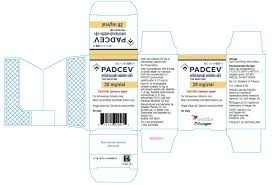
According to the drug instructions and clinical data, common adverse reactions of veentuzumab include fatigue, rash, peripheral neuropathy and hand-foot syndrome. The rash is usually mild to moderate, may be accompanied by itching and localized erythema, and is usually managed through topical care, topical medications, or dose adjustment. Peripheral neuropathy may manifest as numbness, tingling, or abnormal sensation in the hands and feet. During continued treatment, nerve function needs to be evaluated regularly and the dose adjusted or treatment suspended if necessary. Hand-foot syndrome manifests as redness, swelling, pain, or desquamation of the palms and soles of the feet. This reaction may affect daily activities and needs to be alleviated through local care, drug intervention, and dosage adjustment.
In addition, veentuzumab may cause abnormal liver function, blood sugar fluctuations, increased blood pressure, and infusion-related reactions. Hematological indicators such as white blood cell and platelet counts may also be affected, so hematological and biochemical indicators need to be monitored regularly during treatment to ensure early detection of potential risks. For patients taking pembrolizumab in combination, attention should also be paid to immune-related adverse events, such as immune hepatitis, pneumonia, or thyroid dysfunction. Doctors will suspend the drug, adjust the dose, or perform immunosuppressive treatment according to the severity of the symptoms.
The instructions emphasize that the occurrence of side effects is closely related to the dosage, duration of treatment and individual patient differences. Standard use, infusion according to doctor's instructions and regular follow-up are the keys to minimizing risks and ensuring efficacy. Patients and family members should closely observe physical changes, report abnormal symptoms to medical staff in a timely manner, and undergo necessary laboratory examinations and imaging evaluations.
Reference: https://www.padcev.com/
[ 免责声明 ] 本页面内容来自公开渠道(如FDA官网、Drugs官网、原研药厂官网等),仅供持有医疗专业资质的人员用于医学药学研究参考,不构成任何治疗建议或药品推荐。所涉药品可能未在中国大陆获批上市,不适用于中国境内销售和使用。如需治疗,请咨询正规医疗机构。本站不提供药品销售或代购服务。


