
.jpeg)
Analysis of the differences in pharmacological effects of capmatinib (Touradida) and cabozantinib
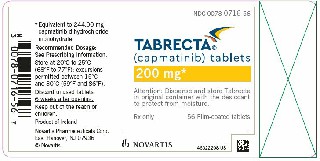
Capmatinib and cabozantinib (Cabozantinib) are both anti-tumor drugs targeting tyrosine kinases, but they have obvious differences in their pharmacological mechanism of action, target selectivity and clinical application. Understanding these differences has important implications for rational clinical drug use, individualized treatment, and patient management. The following is a detailed analysis from four aspects: pharmacological mechanism, target coverage, drug resistance mechanism and clinical application.
First of all, from the perspective of pharmacological mechanism, capmatinib is a highly selective MET tyrosine kinase inhibitor. METGene mutation or amplification can activate the MET signaling pathway and promote tumor cell proliferation, migration and invasion, especially in non-small cell lung cancer (< span>NSCLC) METexon14 skipping mutation (MET exon 14 skipping mutation) is a typical driver. Capmatinib inhibits its kinase activity by competing with the ATP binding site of the MET receptor, thereby blocking the downstream P I3K/AKT, RAS/MAPK and STAT signaling pathways inhibit tumor growth and induce apoptosis. This highly selective inhibition makes capmatinib outstandingly effective in MET-driven tumors, while at the same time less inhibiting non-target sites, so side effects are relatively controllable.
In contrast, cabozantinib is a multi-target tyrosine kinase inhibitor that mainly acts on MET and VEGFR1-3
In terms of resistance mechanism, capmatinib resistance is mainly caused by secondary MET mutations or activation of bypass signaling pathways in tumor cells. For example, mutations in the ATP binding pocket of the METkinase structure can reduce the affinity of capmatinib for binding to the target, or tumors may continue to activate downstream signaling through alternative pathways such as EGFR and KRAS, resulting in reduced efficacy. Due to the multi-target effect of cabozantinib, the resistance mechanism is more complex and may involve the cross-activation of multiple signaling pathways. In addition, tumor microenvironmental factors, such as angiogenesis and immunosuppressive status, may also affect the efficacy of cabozantinib. Therefore, in clinical practice, it is necessary to comprehensively judge the drug resistance through genetic testing, imaging monitoring and symptom assessment, and adjust treatment plans in a timely manner.
In clinical application, capmatinib is mainly used for patients with non-small cell lung cancer who are positive for skipping mutations in exon 14 and is especially suitable for patients with single driver gene mutations. Its highly selective inhibition and low non-specific side effects make it well tolerated by patients during long-term treatment. Cabozantinib is more widely used, including advanced renal cell carcinoma, medullary thyroid cancer and some non-small cell lung cancer. The multi-target feature makes it more advantageous in patients with tumors with multiple driver mutations or angiogenesis dependence, but it also requires physicians to pay more attention to adverse reaction monitoring and dose adjustment during use.
To summarize, the main difference in the pharmacological effects of capmatinib and cabozantinib lies in target selectivity and mechanism of action: capmatinib highly selectively inhibits MET tyrosine kinase and is suitable for MET driven single-gene mutation tumors; cabozantinib is a multi-target inhibitor, with It acts on multiple pathways such as MET, VEGFR, AXL, RET, and is suitable for multiple driver mutations or blood vessel-dependent tumors. The choice of which drug should be based on the patient's genetic mutation type, tumor type and overall physical condition, and individualized management during the treatment process based on drug resistance, drug tolerance and combination treatment options. A scientific understanding of the pharmacological differences between the two can help clinicians optimize treatment plans, improve efficacy and reduce the risk of adverse reactions.
Reference link:https://www.drugs.com
[ 免责声明 ] 本页面内容来自公开渠道(如FDA官网、Drugs官网、原研药厂官网等),仅供持有医疗专业资质的人员用于医学药学研究参考,不构成任何治疗建议或药品推荐。所涉药品可能未在中国大陆获批上市,不适用于中国境内销售和使用。如需治疗,请咨询正规医疗机构。本站不提供药品销售或代购服务。


