
.jpeg)
How Selinisol (Silvio) treats non-Hodgkin lymphoma and its efficacy evaluation
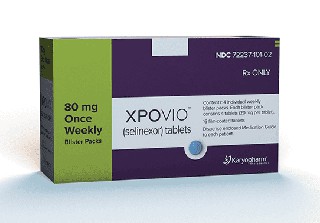
Selinexor is an oral selective inhibitor of nuclear export (Selective Inhibitor of Nuclear Export, SINE), by inhibiting nuclear export protein XPO1 (Exportin-1), preventing tumor suppressor proteins (such as p53, p21) from being transported from the nucleus to the cytoplasm, thereby enhancing their anti-tumor effects. In patients with non-Hodgkin's lymphoma (NHL), tumor cells often excrete proteins that inhibit tumor growth out of the nucleus through XPO1 overactivity, promoting survival and proliferation. Selinisol plays an anti-tumor role by blocking this process, causing inhibitory proteins to accumulate in the nucleus, inducing tumor cell apoptosis and inhibiting proliferation.
Clinical studies have shown that selinesol has certain efficacy in relapsed or refractory non-Hodgkin lymphoma (R/R NHL). According to data from multiple clinical trials, for patients who have progressed after multiple chemotherapy or immunotherapy treatments, seliniso combined with other drugs (such as dexamethasone or chemotherapy regimens) can significantly improve the overall response rate (ORR), some patients achieve complete remission (CR), and the disease control rate (DCR) is relatively impressive. This suggests that selinesol offers a new treatment option in advanced, refractory NHL.
Effectiveness evaluation usually uses comprehensive evaluation of imaging examinations, improvement of clinical symptoms, and changes in tumor markers. During treatment with selinesol, patients need to regularly undergo CT, PET-CT or MRI scans to observe changes in tumor size and lesions, and judge the efficacy based on blood indicators and symptom improvement. In addition, different NHL subtypes have different sensitivity to selinesol, including marginal zone lymphoma (MZL), diffuse The efficacy of subtypes such as largeB cell lymphoma (DLBCL) may be different, so the efficacy evaluation requires individualized analysis.
In terms of treatment management, patients need to pay attention to drug dosage, dosing cycle and adverse reaction monitoring when using selinesol. Common side effects include thrombocytopenia, anemia, nausea, fatigue, and decreased appetite, which need to be managed through dose adjustment, symptomatic treatment, or supportive therapy. Taking medication strictly as prescribed and following up regularly can not only optimize the efficacy but also reduce the risk of adverse events. At the same time, developing individualized treatment plans based on patients' genetic mutations and pathological characteristics will help further improve the clinical benefit of selinesol in non-Hodgkin's lymphoma.
Reference link:https://www.drugs.com
[ 免责声明 ] 本页面内容来自公开渠道(如FDA官网、Drugs官网、原研药厂官网等),仅供持有医疗专业资质的人员用于医学药学研究参考,不构成任何治疗建议或药品推荐。所涉药品可能未在中国大陆获批上市,不适用于中国境内销售和使用。如需治疗,请咨询正规医疗机构。本站不提供药品销售或代购服务。


