
.jpeg)
Evaluation of the therapeutic effect of ponatinib and summary of patients’ actual use feedback
Ponatinib (Ponatinib) is a third-generation multi-target tyrosine kinase inhibitor (TKI). It is mainly used to treat chronic myeloid leukemia (CML) and Philadelphia chromosome-positive acute lymphoblastic leukemia (Ph+) that are resistant to imatinib, dasatinib or nilotinib. ALL) patients. It achieves disease control by inhibiting the BCR-ABL fusion protein and its resistance mutations, especially the T315I mutation, blocking leukemia cell proliferation and signaling. Clinical data show that ponatinib shows significant efficacy in refractory or drug-resistant patients, including up to 40% to 50% of patients achieving complete molecular response (CMR) or complete cytological response (CCyR).
In terms of treatment evaluation, ponatinib can improve patients' hematological indicators and symptoms in the short term. Most patients experience improvement in their white blood cell counts and platelet levels and relief of symptoms such as anemia, bleeding, or infection within weeks of starting the drug. At the same time, for patients with T315I mutation, ponatinib is one of the few effective drug options in clinical practice. It can significantly prolong progression-free survival (PFS) and overall survival (OS), bringing new treatment hope to drug-resistant patients.
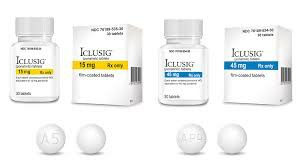
Actual feedback from patients shows that while ponatinib has significant efficacy, it also has a certain risk of side effects. Common adverse reactions include rash, diarrhea, headache, fatigue, and vascular events such as increased blood pressure or thrombosis. Most patients said that by rationally adjusting the dosage and monitoring blood pressure and cardiovascular indicators under the guidance of a doctor, side effects can be effectively controlled while ensuring the efficacy. Patients' compliance is generally high, especially when the efficacy and disease control are clearly improved, and their confidence in treatment is enhanced.
Taken together, ponatinib has a high clinical effect in patients with drug-resistant or high-risk CML and Ph+ ALL, and can achieve rapid hematological improvement and significant molecular remission. Through scientific management and close monitoring of side effects, patients can achieve therapeutic effects while maintaining a good quality of life. Feedback from actual use also shows that ponatinib is reliable and operable in clinical practice, providing a practical and effective treatment option for patients with drug-resistant leukemia.
Reference link:https://www.drugs.com
[ 免责声明 ] 本页面内容来自公开渠道(如FDA官网、Drugs官网、原研药厂官网等),仅供持有医疗专业资质的人员用于医学药学研究参考,不构成任何治疗建议或药品推荐。所涉药品可能未在中国大陆获批上市,不适用于中国境内销售和使用。如需治疗,请咨询正规医疗机构。本站不提供药品销售或代购服务。


