
.jpeg)
What is the difference between lansoprazole/daclopron and omeprazole
In the clinical treatment of gastric acid-related diseases, proton pump inhibitors (PPI) drugs are widely used, among which lansoprazole/daclopron (Lansoprazole) and omeprazole (Omeprazole) are the two most commonly used. Both reduce gastric acid secretion by inhibiting hydrogen potassium ATPase in gastric parietal cells, thereby alleviating the symptoms of gastroesophageal reflux disease, gastric ulcer, duodenal ulcer and other diseases. However, in practical applications, there are still some important differences between lansoprazole and omeprazole, which involve pharmacological effects, metabolic pathways, clinical effects, and market positioning.
From the perspective of drug research and development history, omeprazole is the first PPI approved for marketing in the world It has been a classic drug for the treatment of hyperacidity since its introduction in the 1980s. As a second-generation PPI, lansoprazole was launched in the 1990s. One of its research and development goals is to be superior to omeprazole in terms of durability of efficacy and control of side effects. Therefore, lansoprazole has been optimized in terms of its molecular structure and pharmacokinetic characteristics, allowing it to exhibit better acid suppression effects in some patients.
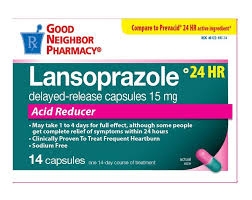
From a comparison of drug efficacy, omeprazole has a definite acid-suppressing effect, but some patients have insufficient response, especially at night, gastric acid secretion may still not be completely controlled. Lansoprazole is characterized by faster onset of action and longer duration of acid suppression, so some studies have shown that it may have more advantages than omeprazole in maintaining gastric pH stability. This also means that in the Helicobacter pylori eradication program, lansoprazole can better provide a stable weak acid environment for antibiotics, thereby improving the eradication rate.
In terms of metabolic pathway, omeprazole mainly relies on the metabolism of CYP2C19 enzyme in the liver cytochromeP450 enzyme system. The activity of this enzyme varies greatly among different people, resulting in obvious differences in the efficacy of omeprazole between individuals. Relatively speaking, lansoprazole is also metabolized by CYP2C19, but its dependence is weak and it also involves the CYP3A4 pathway. Therefore, the drug's blood concentration is more stable and is relatively less affected by genetic polymorphisms. This is one of the reasons why some doctors prefer to choose lansoprazole as a long-term treatment drug.
In terms of safety, the two are generally well tolerated, but there are still some differences. As an early PPI, omeprazole has more reported side effects, including headache, diarrhea, nausea, etc., and long-term use may lead to hypomagnesemia and an increased risk of fractures. Lansoprazole has a similar spectrum of adverse reactions, but some literature suggests that it is milder in reducing excessive gastric acid suppression and is slightly better tolerated by some patients.
From the perspective of clinical application, omeprazole has been widely included in the medical insurance catalogs of various places due to its early launch and low price, and has become a routine prescription drug in primary hospitals. After lansoprazole, imported original drugs represented by daclopron entered the Chinese market, they were gradually used in second-line or patients who needed more powerful acid suppression. With the emergence of generic drugs, the economics of lansoprazole have gradually improved and more patients can afford it. For doctors, when choosing a drug, they often decide which one to use based on the severity of the patient's condition, whether Helicobacter pylori eradication is needed, and the individual's response to the drug.
In addition, in terms of drug interactions, omeprazole has a greater impact on the metabolism of certain drugs (such as clopidogrel) and may reduce the antiplatelet effect of the latter. Therefore, patients with high cardiovascular risk are often recommended to switch to otherPPIs. Lansoprazole has a relatively small impact on this point and is more suitable for people taking combined medications.
Reference materials:https://www.drugs.com/lansoprazole.html
[ 免责声明 ] 本页面内容来自公开渠道(如FDA官网、Drugs官网、原研药厂官网等),仅供持有医疗专业资质的人员用于医学药学研究参考,不构成任何治疗建议或药品推荐。所涉药品可能未在中国大陆获批上市,不适用于中国境内销售和使用。如需治疗,请咨询正规医疗机构。本站不提供药品销售或代购服务。


