
.jpeg)
Analysis of the best time to take Regorafenib (Belvango) and daily medication precautions
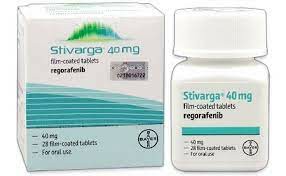
Regorafenib is a multi-target oral small molecule tyrosine kinase inhibitor that can inhibit angiogenesis-related pathways and tumor cell proliferation pathways. It is mainly used clinically to treat metastatic colorectal cancer that has failed standard treatments in the past. , locally advanced or metastatic gastrointestinal stromal tumor (GIST), and inoperable or metastatic hepatocellular carcinoma (HCC). Since regorafenib is a targeted drug, its efficacy is closely related to the method and time of taking the drug and the patient's compliance. The correct way of taking the drug can not only improve the stability of the blood concentration of the drug, but also reduce the risk of common side effects. Therefore, you must fully understand the medication time and daily precautions before taking the drug. The following is a detailed analysis from four aspects.
1. The best time to take regorafenib
The instructions and clinical practice of regorafenib emphasize that it should be taken after meals, and it is especially recommended to take the drug within 30 minutes after a meal with a low-fat diet (less than 600kcal, fat content ≤30%). This is because the oral absorption of the drug is significantly related to food. If it is taken on an empty stomach, the absorption will be unstable, which may lead to insufficient drug efficacy; if it is taken after a high-fat diet, it may significantly increase the blood drug concentration and aggravate adverse reactions, such as hand-foot syndrome, diarrhea and liver function damage. Patients are usually advised to choose a fixed time period for taking medication every day, such as after lunch or dinner, as long as the dietary conditions are consistent. Maintaining regular medication habits can help maintain stable blood drug concentrations and improve anti-tumor efficacy.
2. Daily dosage and cycle arrangement
The conventional recommended dose of regorafenib is 160mg (i.e. 4 tablets40mg
3. Precautions for daily medication
During regorafenib treatment, there are several key points that require special attention:
1.Avoid improper diet: Avoid high-fat meals and grapefruit-like foods during medication, because these will affect drug metabolism and lead to abnormal fluctuations in blood drug concentration.
2. Pay attention to side effects: The most common adverse reactions of regorafenib include hand-foot syndrome (redness, swelling, peeling, pain of hands and feet), hypertension, oral mucositis, fatigue, diarrhea and liver function damage. Patients need to observe themselves every day and seek medical advice promptly if they find serious discomfort.
3.Regular monitoring: Doctors usually require patients to conduct regular liver and kidney function tests, blood pressure monitoring and imaging follow-up during medication. Abnormal liver function is one of the important risks of regorafenib, so regular monitoring of alanine aminotransferase (ALT), aspartate aminotransferase (AST) and bilirubin levels is very necessary.
4.Caution in combined use: Regorafenib is metabolized through the liver’s CYP3A4 pathway. If patients are taking other medications at the same time< drugs metabolized by span>CYP3A4 (such as certain antifungal drugs, antibiotics, anti-epileptic drugs, etc.) may have drug interactions, affecting efficacy or aggravating toxicity. Therefore, doctors should be informed in advance of all drugs and health care products being used.
4. Suggestions on daily patient management and compliance improvement
In order to ensure the long-term effectiveness of regorafenib treatment, patients also need to do comprehensive management in their daily lives. First of all, a medication diary should be established to record the daily medication time, diet and adverse reactions, so that doctors can adjust the plan during follow-up. Secondly, you should maintain a regular lifestyle, such as moderate exercise, adequate sleep and psychological adjustment, to enhance body tolerance. For common hand-foot syndrome, you can use moisturizing skin care products and avoid prolonged walking or friction; if diarrhea occurs, drink more water and take antidiarrheal drugs under the guidance of a doctor. Finally, patients and their families must fully understand that regorafenib treatment is a long-term management process. Only by continuing treatment and monitoring in strict accordance with medical instructions can survival benefits be maximized.
To sum up, the best time to take regorafenib is within 30 minutes after a low-fat meal. The daily dose and cycle schedule must be strictly implemented according to the doctor's recommendations. During the treatment process, patients need to pay attention to diet, regularly monitor side effects, avoid drug interactions, and improve tolerance through good living habits and daily management. The correct medication method can not only ensure the efficacy of regorafenib, but also effectively reduce the risk of adverse reactions, thereby helping patients obtain longer-lasting and more stable clinical benefits.
Reference link:https://www.drugs.com
[ 免责声明 ] 本页面内容来自公开渠道(如FDA官网、Drugs官网、原研药厂官网等),仅供持有医疗专业资质的人员用于医学药学研究参考,不构成任何治疗建议或药品推荐。所涉药品可能未在中国大陆获批上市,不适用于中国境内销售和使用。如需治疗,请咨询正规医疗机构。本站不提供药品销售或代购服务。


