
.jpeg)
Possible side effects after discontinuation of tenofovir alafenamide fumarate tablets (Vemlidy)
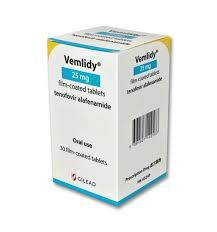
Tenofovir alafenamide fumarate tablets (Vemlidy, Chinese trade name: Vemlidy) is a nucleoside reverse transcriptase inhibitor, mainly used for the antiviral treatment of chronic hepatitis B virus (HBV) infection. This drug effectively inhibits hepatitis B virus replication by inhibiting the activity of viral DNA polymerase, helps reduce serum HBV DNA levels, improves liver function, and delays the progression of liver disease. However, after long-term use of this drug, if the patient discontinues the drug on his own or due to treatment, a series of side effects or clinical risks may occur, so discontinuation must be done under the guidance of a professional doctor. The following will provide a comprehensive analysis from the perspectives of possible viral rebound, liver function damage, drug resistance risks, and matters that patients need to pay attention to after drug withdrawal.
First of all, the main risk after stopping the drug is the rebound of hepatitis B virus. Since the mechanism of action of tenofovir alafenamide fumarate tablets is to inhibit HBV replication rather than completely eliminating the virus, once the drug is stopped, the suppressed virus in the body will replicate again and rebound rapidly. Clinical studies have shown that some patients' HBV DNA levels increased significantly within weeks to months after stopping medication, and some were even higher than the baseline level before medication. This viral rebound may lead to a sharp increase in liver function indicators (such as ALT, AST) and an acute hepatitis attack. If it is not detected and treated in time, it can lead to acute liver failure and even be life-threatening in severe cases. Therefore, monitoring after discontinuation of medication is particularly critical. Doctors usually recommend that hepatitis B virology and biochemical indicators be checked every 1-3 months after discontinuation of medication in order to detect changes in the condition as early as possible.
Secondly, stopping the drug may bring about the risk of liver function damage. Some patients experience a resurgence of hepatitis after stopping the drug, that is, the levels of transaminases such as ALT and AST rise sharply, manifesting as fatigue, jaundice, loss of appetite, nausea, even ascites, abnormal coagulation and other serious symptoms. Especially for patients with existing cirrhosis or poor liver function reserve, relapse of hepatitis after drug discontinuation may lead to liver decompensation and increase the risk of liver failure and death. Therefore, clinical guidelines generally do not recommend easy discontinuation of medication in such high-risk patients. If the drug must be discontinued, it must be done under the close supervision of a liver specialist and one must be prepared to resume antiviral treatment at any time.
Third, drug withdrawal may also lead to drug resistance problems. Although tenofovir alafenamide fumarate tablets, as a new generation of nucleoside drugs, have a high resistance barrier, virus mutations may still occur during drug withdrawal and reuse, leading to the emergence of drug-resistant strains. Once drug resistance develops, the drug selection for subsequent antiviral treatment will be limited and the efficacy will decrease. Therefore, stopping medication without authorization, taking medication intermittently, or taking medication irregularly will increase the probability of drug resistance. For patients who are receiving long-term antiviral treatment, insisting on regular medication can better ensure long-term efficacy and safety than stopping medication at will.
Finally, patients need to pay attention to many aspects during the withdrawal process. First of all, drug discontinuation must be comprehensively evaluated by a professional doctor based on the patient's specific situation (such as antigen status, HBV DNA level, liver fibrosis degree, comorbid diseases, etc.) and must not be decided on his own. Secondly, after stopping the drug, patients need to strictly follow the follow-up plan, regularly check liver function and virological indicators, and perform imaging and liver fibrosis testing if necessary to detect signs of liver damage or worsening of the condition. In addition, if symptoms such as fatigue, loss of appetite, nausea, yellow urine, yellow eyes, or edema of the lower limbs occur, the patient should seek medical treatment immediately to avoid delaying the condition. For some patients, doctors may even recommend long-term or even lifelong use of Viride to maintain viral suppression to ensure disease stability and reduce the risk of serious complications such as cirrhosis and liver cancer.
In summary, tenofovir alafenamide fumarate tablets (Veride), as an important drug in the treatment of hepatitis B, may cause adverse consequences such as viral rebound, liver function damage, drug resistance risk and other adverse consequences after discontinuation of the drug. It is especially dangerous for patients with unstable liver function or cirrhosis. Therefore, patients must follow the doctor's instructions during medication use and discontinuation, and must not stop medication at will. Long-term monitoring and management should be done to ensure the safety and effectiveness of treatment.
Reference link:https://www.drugs.com
[ 免责声明 ] 本页面内容来自公开渠道(如FDA官网、Drugs官网、原研药厂官网等),仅供持有医疗专业资质的人员用于医学药学研究参考,不构成任何治疗建议或药品推荐。所涉药品可能未在中国大陆获批上市,不适用于中国境内销售和使用。如需治疗,请咨询正规医疗机构。本站不提供药品销售或代购服务。


