
.jpeg)
Standard usage and dosage of Inalise (Iheli) and individualized adjustment suggestions
Inavolisib (Inavolisib) is a new oral small molecule selective PI3Kα inhibitor. It is mainly used to treat breast cancer patients carrying PIK3CA gene mutations and other related tumor types. PI3Kα is a key target in the PI3K/Akt signaling pathway, which plays a central role in the proliferation and survival of various tumor cells. By selectively inhibiting PI3K, inalisate can effectively block the proliferation signals of cancer cells, thereby inhibiting tumor growth. In clinical practice, reasonable usage and dosage and individualized adjustment strategies are the keys to ensuring treatment efficacy and medication safety.
The standard dosage regimen is usually taken orally once a day, and it is recommended to take the drug at a fixed time to maintain stable blood concentration. Clinical trials have shown that this method of medication can effectively inhibit tumor signaling pathways while controlling adverse reactions within a tolerable range. The initial dose is generally set based on safety and efficacy data. Patients should strictly follow the doctor's instructions in the early stages of treatment and should not adjust the dose at will. Taking medication at a fixed time not only helps maintain stable blood drug concentrations, but also reduces the risk of side effects caused by drug blood fluctuations.
In actual use, individualized adjustment is particularly important. Different patients have different tolerances, liver and kidney functions, and concomitant diseases, which may affect the metabolism and clearance rate of the drug. Therefore, for patients who experience mild to moderate adverse reactions, doctors can appropriately extend the dosing interval or reduce the dose according to the situation to ensure that patients can obtain the drug's efficacy while reducing side effects. For patients with hepatic and renal insufficiency, due to reduced drug metabolism and excretion capabilities, it is even more necessary to carefully adjust the dose and strengthen monitoring during treatment to prevent drug accumulation and trigger toxic reactions.
In addition to dosage adjustment, monitoring and follow-up during treatment are also important aspects to ensure medication safety. Patients should regularly undergo routine blood tests, liver and kidney function tests, and electrocardiograms while taking the medicine to detect potential risks in a timely manner. At the same time, imaging examinations are also important for evaluating the efficacy of tumors and can help doctors determine whether the drug has achieved the expected therapeutic effect. If the patient experiences serious adverse reactions, such as obvious abnormal liver function, significant decrease in platelets or white blood cells, severe diarrhea or rash, the patient should contact the attending physician immediately and adjust the dosage or temporarily suspend the medication according to the physician's advice.
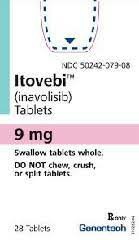
Individualized treatment is not only reflected in dose adjustment, but also includes comprehensive management of the patient's overall health status. For patients undergoing long-term treatment, attention should be paid to lifestyle factors, such as a balanced diet, moderate exercise and mental health, which can enhance the patient's tolerance to drug treatment to a certain extent. At the same time, patients and their families should be informed of possible adverse reactions, such as fatigue, rash, mild diarrhea, nausea, etc., so that they can be identified and dealt with in a timely manner. Through active cooperation between doctors and patients, treatment compliance and efficacy can be significantly improved.
In terms of combined medication, inalise should be used with caution in combination with other drugs. Because it is primarily metabolized by the liver, concomitant use of drugs that may affect CYP3Aenzyme activity, such as certain antifungals, antivirals, or potent CYP3AInhibitors may increase blood drug concentration and cause toxic reactions. Therefore, in clinical practice, physicians will optimize the drug combination based on the patient's medication history and potential interactions to ensure treatment safety.
Overall, inaliset has shown good efficacy in the treatment of PIK3CA mutation-related tumors. Its standard dosage is oral administration once a day, but in actual use, it needs to be individualized based on the patient's specific conditions, including dosage, dosing interval and monitoring plan. Through scientific and standardized medication strategies, regular monitoring and timely treatment of adverse reactions, the clinical value of inalise can be maximized while ensuring patient safety and quality of life.
Through rational drug use and scientific management, inaliset can not only effectively inhibit tumor growth, but also provide patients with sustainable treatment options. In the future, with the accumulation of more clinical data and rich experience in use, personalized medication strategies for different patient groups will be further optimized, allowing inaliside to play a greater role in the field of precision tumor treatment. Correct understanding and implementation of standard usage and dosage, combined with individualized adjustment plans, and close monitoring of patient responses are the core elements to ensure the clinical efficacy and safety of inariside.
Reference link:https://www.drugs.com
[ 免责声明 ] 本页面内容来自公开渠道(如FDA官网、Drugs官网、原研药厂官网等),仅供持有医疗专业资质的人员用于医学药学研究参考,不构成任何治疗建议或药品推荐。所涉药品可能未在中国大陆获批上市,不适用于中国境内销售和使用。如需治疗,请咨询正规医疗机构。本站不提供药品销售或代购服务。


