
.jpeg)
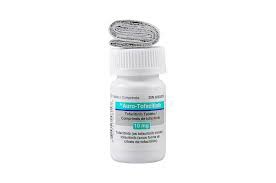
Detailed instructions for Tofacitinib/Shangjie
Tofacitinib/Shangjie(Tofacitinib) is a selective Janus kinase (JAK) inhibitor and a small molecule targeted immunomodulatory drug. It has shown good efficacy in the treatment of a variety of immune-related diseases, especially for patients who have poor response to traditional treatments or TNF inhibitors. The following will provide a detailed description of indications, usage and dosage, usage restrictions, adverse reactions and precautions.
1. Indications of tofacitinib
Tofacitinib has been clinically approved for a variety of chronic inflammatory diseases, mainly in the fields of arthritis and inflammatory bowel disease:
1. Rheumatoid Arthritis (RA): Applicable to adult patients with moderately to severely active RA who have insufficient response or intolerance to one or moreTNF blockers. Tofacitinib reduces inflammation and improves joint pain and swelling by inhibiting the JAK signaling pathway.
2. Psoriatic arthritis (PsA): For patients with active PsA who have poor response toTNF inhibitors, tofacitinib can effectively control joint inflammation and also has a certain improvement effect on the skin symptoms of psoriasis.
3. Ankylosing spondylitis (AS): For adult patients with active ASAS, especially when traditional TNF inhibitors are insufficiently effective, tofacitinib can be used as an alternative treatment option.
4. Ulcerative colitis (UC): Applicable to adult patients with moderate to severe active UC. Tofacitinib can take effect quickly and improve symptoms such as abdominal pain, diarrhea and rectal bleeding, and is suitable for people who have insufficient response or intolerance to anti-TNF drugs.
5. Polyarticular juvenile idiopathic arthritis (pcJIA): For children 2 years old and above, tofacitinib oral solution is approved for the treatment of active pcJIA, especially those who have insufficient response to or intolerance to traditional TNF inhibitors.
2. Restrictions on the use of tofacitinib
1. Restrictions on combined use: It is not recommended to use it in combination with biologic disease-modifying antirheumatic drugs (bDMARDs) or powerful immunosuppressants (such as azathioprine, cyclosporine). The reason is that excessive immunosuppression may increase the risk of serious infections and malignancies.
Patient Screening: Prior infection history, potential tuberculosis risk, liver function, and renal function status need to be assessed before initiating treatment.
3. Usage and dosage of tofacitinib
Tofacitinib is available in three dosage forms: tablets, extended-release tablets and oral solutions. The specific usage plan needs to be based on the type of disease and individual patient differences.
1. Recommended dosage
1) RA, PsA, AS:
Ordinary tablets:5mg, 2 times a day;
Sustained-release tablets:11 mg, once daily.
2)UC:
Induction therapy:10mg, twice daily, for at least 8 weeks;
Maintenance treatment: adjusted according to efficacy5 mg twice a day, up to 16 weeks;
Sustained-release tablets: 22 mg once daily (induction), changed to 11 mg once daily during the maintenance phase.
3) pcJIA (children):
10-20kg: 2 times a day, 3.2mg each time (oral solution 3.2ml);
20-40kg: 2 times a day, 4mg each time (4ml oral solution);
≥40kg: 5mg twice daily (tablet or solution).
2. Dose conversion
Tofacitinib extended-release tablets cannot directly replace oral solutions;5 mg tablets twice a day can be switched to extended-release tablets of 11 mg once a day; patients taking 10 mg tablets twice a day can be switched to extended-release tablets of 22 mg once a day.
4. Adverse reactions and risk warnings
Tofacitinib is an immunosuppressant and common adverse reactions include:
Upper respiratory tract infection, headache, gastrointestinal discomfort;
Hematological abnormalities (such as lymphopenia, anemia);
Long-term use may increase the risk of shingles, lung infection, and opportunistic infections;
Some patients may have elevated blood lipids and liver enzymes, which require regular monitoring.
In recent years, overseas regulatory agencies have also suggested that tofacitinib may be associated with venous thrombotic events and adverse cardiovascular outcomes. Therefore, risks and benefits need to be strictly assessed during clinical use.
5. Precautions and monitoring requirements
1. Baseline examination: Tuberculosis screening, hepatitis B and hepatitis C testing, blood lipids and routine blood tests should be carried out before treatment.
2. Monitoring during medication: It is recommended to conduct liver and kidney function, blood routine and lipid profile tests regularly, especially in the early stage of treatment.
3. Special groups: Pregnant and lactating women are not recommended for use; elderly patients should use the drug with caution due to a higher risk of underlying infection; patients with moderately impaired renal or liver function may need to adjust the dose.
6. Summary and clinical value
Tofacitinib, as an oral small moleculeJAK inhibitor, breaks the limitation of traditional biological agents requiring injection, and provides a more convenient option for patients with chronic immune diseases such as rheumatoid arthritis, psoriatic arthritis, ankylosing spondylitis and ulcerative colitis. Its scope of clinical application continues to expand, and it is especially valuable in refractory patient groups.
However, tofacitinib also has risks related to immunosuppression, so the instructions must be strictly followed during use and combined with individualized monitoring and risk assessment to ensure maximum efficacy and safety.
Looking at the long-term trend, with the deepening of research on JAK inhibitors, tofacitinib may play a role in more indications and populations. However, clinicians and patients still need to pay attention to the latest guidelines and safety warnings to achieve reasonable and precise medication use.
Reference materials:https://www.xeljanz.com/
[ 免责声明 ] 本页面内容来自公开渠道(如FDA官网、Drugs官网、原研药厂官网等),仅供持有医疗专业资质的人员用于医学药学研究参考,不构成任何治疗建议或药品推荐。所涉药品可能未在中国大陆获批上市,不适用于中国境内销售和使用。如需治疗,请咨询正规医疗机构。本站不提供药品销售或代购服务。


