
.jpeg)
What is the main difference between linezolid/swo and meropenem?
Linezolid (Linezolid) and meropenem (Meropenem) are both commonly used clinical anti-infective drugs, but there are significant differences in their pharmacological mechanisms, antibacterial spectrum, clinical indications and precautions for use. Many patients and family members will wonder whether these two drugs can be substituted for each other when facing serious infections, and which one is more suitable for the specific infection situation. In fact, linezolid and meropenem are fundamentally different in their therapeutic positioning, and their respective advantages and limitations determine the direction of clinical application.
First of all, from the perspective of drug action mechanism, linezolid belongs to the oxazolidinone class of antibacterial drugs. Its unique feature is that it blocks bacterial growth by inhibiting bacterial ribosome protein synthesis. Its target of action is different from that of traditional antibacterial drugs, so it has special value in the face of drug-resistant strains. Meropenem belongs to the carbapenem class of broad-spectrum beta-lactam antibiotics. It exerts a bactericidal effect by inhibiting bacterial cell wall synthesis and is known as one of the "last lines of defense among broad-spectrum antibiotics." It can be seen that the targets of the two are completely different, which determines their complementarity in clinical treatment.
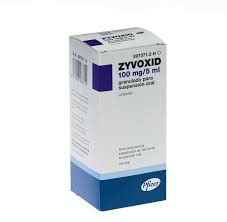
Secondly, from the perspective of antibacterial spectrum, linezolid mainly targets Gram-positive bacteria, especially multi-drug-resistant strains, including methicillin-resistant Staphylococcus aureus (MRSA), vancomycin-resistant enterococci (VRE), etc. It plays an irreplaceable role in the treatment of these "stubborn" infections (bacterial infections). In contrast, meropenem has a wider antibacterial spectrum and can act against most Gram-negative bacteria, some Gram-positive bacteria and anaerobic bacteria, and is especially suitable for complex mixed infections. However, it should be noted that meropenem has no direct effect on MRSA and VRE, which is complementary to linezolid.
Third, the two are also different in clinical application scenarios. Linezolid is commonly used for severe drug-resistant Gram-positive bacterial infections, such as hospital-acquired pneumonia, complex skin and soft tissue infections, bloodstream infections, and partially drug-resistant tuberculosis. Its advantage is that it can be administered orally or intravenously, has high bioavailability, and is conducive to long-term treatment. Meropenem is mainly used for severe gram-negative bacterial infections, such as sepsis, abdominal infection, pulmonary infection and central nervous system infection. It must be administered intravenously and is typically used in comprehensive treatment regimens for hospitalized patients. Therefore, there are also differences between the two in the localization of infection and the way of administration.
Linezolid and meropenem also have different characteristics in terms of safety and adverse reactions. Linezolid may cause bone marrow suppression, thrombocytopenia or anemia. Long-term use may also cause neuropathy or lactic acidosis, so blood routine and neurological conditions need to be closely monitored. Meropenem is relatively well tolerated, but the dose needs to be adjusted in patients with renal impairment. It also has the risk of causing epilepsy. Caution is needed especially at high doses or when combined with central nervous system diseases. The adverse reaction mechanisms of the two are different, so the monitoring focus is also different.
Reference materials:https://go.drugbank.com/drugs/DB00601
[ 免责声明 ] 本页面内容来自公开渠道(如FDA官网、Drugs官网、原研药厂官网等),仅供持有医疗专业资质的人员用于医学药学研究参考,不构成任何治疗建议或药品推荐。所涉药品可能未在中国大陆获批上市,不适用于中国境内销售和使用。如需治疗,请咨询正规医疗机构。本站不提供药品销售或代购服务。


