
.jpeg)
Cemiplimab detailed instructions and medication guide
1. Name
Common name: Cemiplimab,Cemiplimab
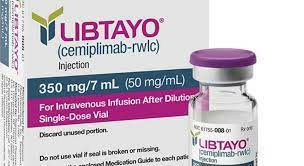
Product name:Libtayo
Cimepilimab is a monoclonal antibody directed againstPD-1. It belongs to a class of immunotherapy drugs and is widely used in the treatment of various malignant tumors.
2. Indications
The indications for Cemiplimab (Cemiplimab) include the following major conditions:
1. Cutaneous squamous cell carcinoma (CSCC): Applicable to patients with metastatic cutaneous squamous cell carcinoma (mCSCC) and locally advanced cutaneous squamous cell carcinoma (laCSCC) who cannot receive radical surgery or radiotherapy. Such patients often face higher treatment challenges, so the application of this drug can provide them with new treatment options.
2. Basal cell carcinoma (BCC): For patients with locally advanced or metastatic basal cell carcinoma (laBCC or mBCC), if they have been treated with Hedgehog pathway inhibitors or if this pathway is not applicable, cimepilimab can be used as an effective treatment alternative.
3. Non-small cell lung cancer (NSCLC):
As a first-line treatment option, cimipilimab can be used in combination with platinum-based chemotherapy and is suitable for all adult patients with non-small cell lung cancer without abnormalities in EGFR, ALK or ROS1, including patients with locally advanced disease who are not suitable for surgery or radiotherapy, or patients with metastatic disease.
When used as a single drug, it is suitable for the treatment of locally advanced or metastatic non-small cell lung cancer in adult patients whose tumors have highPD-L1 expression (tumor proportion score TPS ≥ 50%) and also have no EGFR, ALK or ROS1 abnormalities.
3. Usage and dosage
1. Recommended dosage:
For patients with locally advanced or metastatic BCC and CSCC, the recommended dose of cimepilimab is 350 mg intravenously every 3 weeks until disease progression, unacceptable toxicity, or no longer than 24 months. For patients with non-small cell lung cancer, the dose is also 350 mg intravenously every 3 weeks until disease progression or unacceptable toxicity.
2. Dosage adjustment:
Dose reductions for cimipilimab are not recommended. Discontinuation of the drug should be considered in the face of severe Grade 3 immune-mediated adverse reactions. If life-threatening grade 4 immune-mediated adverse reactions occur, or recurrent grade 3 reactions requiring systemic immunosuppressive therapy, permanent discontinuation should be considered.
4. Adverse reactions
In the clinical studies of cimepilimab, common adverse reactions (incidence≥15%) include: fatigue, skeletal muscle pain, rash, diarrhea, and anemia; at the same time, common grade 3-4 laboratory abnormalities (incidence ≥2%) include: lymphopenia, hyponatremia, hypophosphatemia, increased aspartate aminotransferase, hypokalemia, hyperkalemia, and increased alanine aminotransferase.
5. Supply and storage
Cimepilimab injection is clear to slightly opalescent, colorless to light yellow, may contain trace amounts of translucent to white particles, and is usually packaged in a carton with single-dose vials (350mg/7mL, 50mg/mL). This medication should be stored in a refrigerator at 2°C to 8°C (36°F to 46°F) away from light and should not be frozen or shaken vigorously.
6. Special groups
1. Female patients: Due to the mechanism of action of cimepilimab, pregnant women may cause harm to the fetus when used. Therefore, it is recommended that women of childbearing potential take effective contraceptive measures during treatment and for at least4 months after the last dose. Also, it is recommended to avoid breastfeeding during treatment and for at least 4 months after the last dose.
7. Mechanism of action
Cimepilimab works by targetingPD-1 receptor. The mechanism is that the PD-1 ligands PD-L1 and PD-L2 bind to PD-1 on T cells, which inhibits the proliferation and cytokine production of T cells. This mechanism of action is upregulated in a variety of tumors, thereby inhibiting immune surveillance by tumor-active T cells. Cimepilimab is a recombinant human IgG4 monoclonal antibody that can bind to PD-1 and block its interaction with PD-L1 and PD-L2, thereby releasing the immune suppression mediated by the PD-1 pathway and enhancing the anti-tumor immune response.
Reference materials:https://www.libtayohcp.com/
[ 免责声明 ] 本页面内容来自公开渠道(如FDA官网、Drugs官网、原研药厂官网等),仅供持有医疗专业资质的人员用于医学药学研究参考,不构成任何治疗建议或药品推荐。所涉药品可能未在中国大陆获批上市,不适用于中国境内销售和使用。如需治疗,请咨询正规医疗机构。本站不提供药品销售或代购服务。


