
.jpeg)
What types of tumors does Trabectedin have a therapeutic effect on?
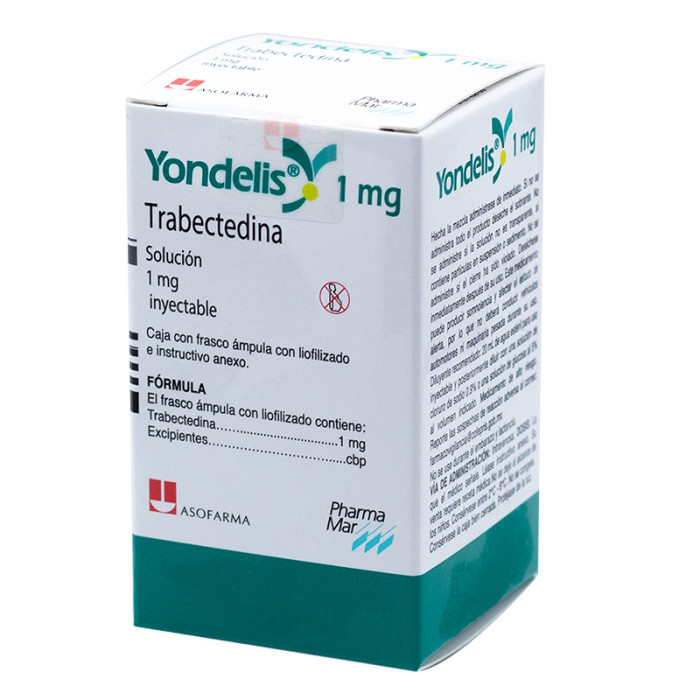
Trabectedin (Trabectedin) is an anti-cancer drug with a unique origin. The parent component was first extracted from Caribbean sheaths and entered clinical use after artificial synthesis and drug optimization. It is different from traditional chemotherapy drugs. It not only directly acts on the DNA of tumor cells, but also regulates the tumor microenvironment, thereby inhibiting tumor growth and metastasis. Due to this unique mechanism of action, trabectedin has shown important value in some refractory or rare tumors and has become one of the treatment options recommended by guidelines in Europe and the United States.
First, trabectedin plays a central role in the treatment of soft tissue sarcoma (STS). Soft tissue sarcoma is a rare malignant tumor with complex origins and numerous subtypes. It is common in adult patients and has become a difficult clinical treatment problem due to its diversity and insensitivity to conventional chemotherapy. Trabectedin has been proven to be effective against a variety of soft tissue sarcoma subtypes, especially liposarcoma and synovial sarcoma. Trabectedin offers a new viable option for patients who have failed treatment with anthracyclines or taxanes. In clinical practice in Europe and the United States, trabectedin has become an important second- or third-line treatment for recurrent or metastatic soft tissue sarcoma.
Secondly, the application of trabectedin in the treatment of ovarian cancer (Ovarian Cancer) has also received attention. Ovarian cancer is one of the common gynecological malignant tumors in women. The early detection rate is low and the recurrence rate is high. Especially after platinum-based chemotherapy drugs fail, treatment options are limited. Trabectedin combined with liposomal doxorubicin (PLD) has been approved by the European Medicines Agency (EMA) for patients with recurrent ovarian cancer, especially those who relapse after platinum therapy with a short interval. Through the complementary effects of different mechanisms, this combination improves the treatment response rate, delays disease progression, and provides new clinical ideas.
In addition to soft tissue sarcoma and ovarian cancer, researchers are also exploring the potential of trabectedin in other solid tumors. For example, studies have been reported in breast cancer, lung cancer, and some nervous system tumors. Although a mature clinical consensus has not yet been formed, experimental results suggest that trabectedin may exert a broad-spectrum anti-cancer effect by regulating DNA repair mechanisms and inhibiting tumor-related inflammatory reactions. This feature also lays the foundation for its future expanded indications.
Trabectedin is unique not only in its ability to treatThe direct effect of DNA is also reflected in the regulation of the tumor microenvironment. For example, it can inhibit the activity of tumor-associated macrophages (TAMs), which normally promote tumor immune evasion and angiogenesis. In this way, trabectedin indirectly enhances the body's immune system's ability to recognize and eliminate tumors. This "both internal and external" mechanism gives trabectedin unique advantages in dealing with tumors with strong drug resistance and complex disease courses.
In international guidelines, trabectedin has been included in the recommended treatment for soft tissue sarcoma and recurrent ovarian cancer. Although its application is relatively limited, it often plays a key role in these specific types of tumors. Compared with targeted drugs or immunotherapy, trabectedin is not a simple "precision strike", but shows efficacy through complex multi-link effects, so it is often used in clinical practice as part of combination therapy.
Reference materials:https://www.drugs.com/monograph/trabectedin.html
[ 免责声明 ] 本页面内容来自公开渠道(如FDA官网、Drugs官网、原研药厂官网等),仅供持有医疗专业资质的人员用于医学药学研究参考,不构成任何治疗建议或药品推荐。所涉药品可能未在中国大陆获批上市,不适用于中国境内销售和使用。如需治疗,请咨询正规医疗机构。本站不提供药品销售或代购服务。


