
.jpeg)
Common side effects of Selinexol (Silvio) and how to relieve them
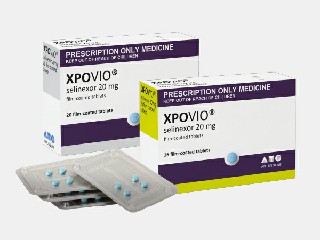
Selinexor (Selinexor) is a first-in-class selective inhibitor of nuclear export (Selective Inhibitor of Nuclear Export, referred to as SINE). By inhibiting the function of nuclear export protein XPO1, the tumor suppressor protein remains active in the nucleus, thereby inducing cancer cell apoptosis. The drug has been used to treat refractory and relapsed hematological tumors such as multiple myeloma and diffuse large Bcell lymphoma. Although selinesol has shown significant efficacy in clinical applications, its side effects are relatively obvious, so special attention and corresponding treatment measures need to be taken during medication. The following will elaborate on common side effects and relief treatment methods.
Part One: Common Types of Side Effects
The most common side effects of selinesol include gastrointestinal reactions, hematological toxicity, and central nervous system-related symptoms. The most prominent gastrointestinal reactions are nausea, vomiting, anorexia, weight loss and diarrhea. These symptoms will appear in most patients, especially in the early stages of medication. In terms of hematological toxicity, the main ones are thrombocytopenia, anemia and neutropenia, which may increase the risk of bleeding and infection. In terms of the central nervous system, adverse reactions such as fatigue, dizziness, confusion, and depression are also common in clinical practice. In addition, metabolic abnormalities such as hyponatremia and dehydration may also occur in some patients. Although most side effects are controllable or reversible, if not treated in time, they may affect treatment compliance and even endanger patient safety.
Part 2: Mitigation measures for adverse gastrointestinal reactions
Gastrointestinal side effects are one of the most troublesome problems for patients during the use of selinesol. For nausea and vomiting, it is clinically recommended to use prophylactic antiemetic drugs before medication, such as 5-HT3 receptor antagonist (ondansetron) or NK-1 receptor antagonist, and continue to use them according to symptoms during treatment. For anorexia and weight loss, doctors will advise patients to eat small meals more frequently and increase their high-protein, high-calorie diet. Appetite-promoting drugs (such as megestrol) may also be considered. Patients with diarrhea can use antidiarrheal drugs such as loperamide and pay attention to replenishing water and electrolytes. Through standardized supportive treatment, most gastrointestinal adverse reactions can be alleviated, thereby ensuring that patients successfully complete treatment.
Part 3: Management of hematological adverse reactions
Thrombocytopenia, neutropenia, and anemia caused by selinesol require close monitoring of routine blood tests. If the platelet count drops significantly (such as <50×10^9/L), it is necessary to consider suspending the medication or reducing the dose, and use hemostatic drugs or platelet transfusions as appropriate. For neutropenic patients, it is recommended to apply granulocyte colony-stimulating factor (G-CSF) to promote bone marrow hematopoietic recovery while strengthening protection to reduce the risk of infection. Patients with anemia can be intervened by transfusing red blood cells or using erythropoietin (EPO). In clinical practice, doctors usually dynamically adjust the dose according to the patient's hematological indicators to reduce the occurrence of serious hematological adverse events.
Part 4: Coping with Central Nervous System and Metabolic Abnormalities
Seleniso-related central nervous system side effects such as fatigue, dizziness, and disturbance of consciousness often lead to a decrease in patients' quality of life. Clinically, symptoms can be alleviated by adjusting the medication time (for example, taking it in the evening or night), ensuring adequate sleep, and performing light exercise. If significant depression or mood disorder occurs, antidepressant drugs can be used under the guidance of a doctor. For hyponatremia, blood sodium levels should be monitored regularly during treatment. If abnormalities are found, they can be corrected by supplementing oral or intravenous saline, and the dosage of medication should be adjusted at the same time. In cases of dehydration, increased fluid intake or intravenous fluid replacement is required. Proper monitoring and intervention measures can significantly reduce the impact of these side effects on patients' lives and treatment.
Overall, selinesol, as an innovative anti-tumor drug, provides a new treatment option for patients with refractory and recurrent hematological tumors. However, its side effects are high and require the attention of both clinical medical staff and patients. Through standardized preventive measures, timely symptomatic treatment and reasonable dosage adjustment, adverse reactions can be alleviated to the greatest extent and patients' treatment compliance and quality of life can be improved. With the continuous accumulation of clinical experience, the side effect management plan related to selinesol will be further optimized, so that patients can better benefit from the therapeutic effects of this drug.
Reference link:https://www.drugs.com
[ 免责声明 ] 本页面内容来自公开渠道(如FDA官网、Drugs官网、原研药厂官网等),仅供持有医疗专业资质的人员用于医学药学研究参考,不构成任何治疗建议或药品推荐。所涉药品可能未在中国大陆获批上市,不适用于中国境内销售和使用。如需治疗,请咨询正规医疗机构。本站不提供药品销售或代购服务。


