
.jpeg)
Differences in clinical application and efficacy between Fidaxomicin and Azithromycin
Fidaxomicin and azithromycin (Azithromycin) both belong to the macrolide class or antibiotics with similar mechanisms, but there are obvious differences in their targets, clinical indications, efficacy characteristics and usage methods. Understanding these differences can help doctors rationally choose antimicrobial treatment options and provide patients with safer and more effective medication strategies. The following is a detailed analysis from four aspects: pharmacological mechanism, clinical application, efficacy comparison, drug resistance and safety.
1. Pharmacological mechanism and action characteristics
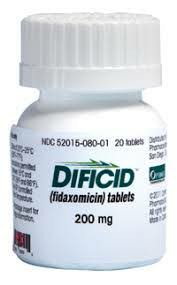
Fidaxomicin is a new type of macrolide antibacterial drug. It mainly inhibits the activity of bacterial RNA polymerase and prevents mRNA synthesis, thereby specifically inhibiting the growth of Gram-positive anaerobic bacteria. It is highly selective for **Clostridioides difficile** and is an ideal treatment for C. One of the first-choice drugs for difficileinfection (CDI). Since fidaxomicin is poorly absorbed in the intestine (low oral bioavailability), its drug concentration is mainly limited to the intestinal lumen. This feature makes it highly effective and has low systemic side effects in the treatment of intestinal infections.
Azithromycin is a semi-synthetic macrolide antibiotic that inhibits protein synthesis by binding to the bacterial 50S ribosomal subunit, thereby preventing bacterial proliferation. Azithromycin has broad-spectrum antibacterial activity and is effective against Gram-positive bacteria, some Gram-negative bacteria, and atypical pathogens such as Mycoplasma, Chlamydia, and Legionella. Therefore, it is mainly used for respiratory infections, skin and soft tissue infections, otitis media, sexually transmitted diseases and some atypical pathogen infections. Compared with fidaxomicin, azithromycin has a high systemic absorption rate and can be widely distributed in the blood and tissues. It is effective in treating systemic infections, but its efficacy in local intestinal infections (such as CDI) is limited.
2. Differences in clinical application
The main indication for fidaxomicin is mild to moderate to severe Clostridium difficile infection, especially for patients with recurrent CDI. Clinical guidelines recommend it as the drug of choice to reduce relapse rates and improve intestinal flora stability. Due to fidaxomicin's strong targeting and high local concentration, the treatment course is generally 10 days and has little impact on beneficial intestinal bacteria.
Azithromycin is widely used for respiratory tract, ear, nose and throat and skin and soft tissue infections, and has almost no direct effect on the treatment of CDI. It is also commonly used for pneumonia, acute bronchitis, community-acquired pneumonia, and some sexually transmitted infections. Azithromycin can be administered orally or intravenously, and the course of treatment is flexible, generally 3–7days, suitable for infected sites requiring systemic distribution.
3. Comparison of efficacy
In the treatment of CDI, fidaxomicin shows significantly better efficacy than azithromycin. Clinical studies have shown that compared with vancomycin or other antibiotics, fidaxomicin can significantly reduce the recurrence rate, and its clinical cure rate can reach more than 90%, while azithromycin is almost ineffective in this type of infection. Fidaxomicin can also maintain intestinal microbial diversity, reduce bacterial imbalance, and reduce the risk of secondary infection.
In terms of systemic infections, azithromycin is highly effective, especially for respiratory infections and atypical pathogen infections. It can quickly relieve symptoms and reduce inflammatory reactions. Fidaxomicin, on the other hand, is hardly absorbed by tissues outside the intestinal tract, has extremely low blood concentration, and has no direct effect on systemic infections such as lungs and skin, so it is not suitable for these diseases.
4. Drug Resistance, Safety and Comprehensive Management
Fidaxomicin has low resistance, high targeting specificity, and little impact on other common flora. Side effects mainly include mild to moderate nausea, diarrhea, and gastrointestinal discomfort, and systemic side effects are rare. Azithromycin resistance is gradually increasing, especially for Streptococcus pneumoniae, Staphylococcus aureus and some Gram-negative bacteria. Long-term use may induce drug-resistant strains. The adverse reactions of azithromycin include gastrointestinal discomfort, increased liver enzymes and the risk of QT interval prolongation. Patients with heart disease should use it with caution.
Taken together, fidaxomicin and azithromycin have obvious differences in clinical application and efficacy. The former has strong specificity and is mainly used for intestinal CDI and recurrence prevention, with concentrated curative effect and few side effects; the latter has a broad antibacterial spectrum and is suitable for respiratory and systemic infections, but its effect in local intestinal infections is limited. Reasonable selection of drugs should be based on the type of infection, site of infection and individual patient conditions, combined with drug characteristics and safety management, to achieve optimal efficacy and risk control.
Reference link:https://www.drugs.com
[ 免责声明 ] 本页面内容来自公开渠道(如FDA官网、Drugs官网、原研药厂官网等),仅供持有医疗专业资质的人员用于医学药学研究参考,不构成任何治疗建议或药品推荐。所涉药品可能未在中国大陆获批上市,不适用于中国境内销售和使用。如需治疗,请咨询正规医疗机构。本站不提供药品销售或代购服务。


