
.jpeg)
What is the difference between selegiline/midopir and rasagiline?
Parkinson's diseaseAs a neurodegenerative disease, its core pathology is the progressive loss of dopaminergic neurons in the substantia nigra of the midbrain, resulting in a decrease in dopamine levels, causing slowness of movement, tremor, stiffness and balance disorders. Clinical treatment mainly focuses on supplementing or prolonging the effect of dopamine, among which monoamine oxidase type B (MAO-B) inhibitors are a widely used drug. Selegiline/midopid(Selegiline) and rasagiline (Rasagiline) are both MAO-B inhibitors, but there are some important differences in their pharmacological properties, metabolic pathways, tolerance and clinical application.
From a pharmacological mechanism point of view, both of them reduce the decomposition of dopamine in the brain by inhibitingMAO-B enzyme activity, thus prolonging the effective action time of dopamine. However, after selegiline is metabolized in the body, it will generate metabolites such as methamphetamine and methamphetamine. These components have mild central nervous system stimulant effects and may be related to insomnia or palpitations in some patients. The metabolite of rasagiline does not contain the amphetamine structure, so it has more advantages in terms of pharmacological purity and long-term tolerance. This is also one of the important reasons why clinical guidelines often recommend rasagiline as a first-line MAO-B inhibitor.
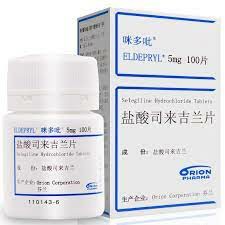
In terms of dosage and administration, the traditional oral dosage form of selegiline is usually 5 to 10 mg per day. It can be taken once in the morning or in divided doses. However, because its metabolites may affect sleep, doctors usually recommend avoiding use at night. Rasagiline has a common dosage of 1 mg once a day, is easy to administer, and has no obvious day and night time restrictions, making it more suitable for long-term management in terms of compliance and lifestyle matching. Some studies have shown that rasagiline monotherapy can delay the exacerbation of motor symptoms in the early stages of Parkinson's disease, while the efficacy of selegiline is more prominent when combined with levodopa, which is often used to reduce "switch fluctuations."
From the perspective of drug interaction, both drugs need to be avoided in combination with potent antidepressants or other drugs that affect monoamine metabolism to avoid inducing serotonin syndrome or hypertensive crisis. However, because the metabolite of selegiline has certain sympathetic nervous activity, patients with hypertension, arrhythmia, or a history of mental illness need to be more cautious when using it, while rasagiline is relatively safer. Some overseas clinical practices point out that rasagiline is often better tolerated than selegiline in elderly patients or individuals with multiple diseases.
From the perspective of the persistence of clinical efficacy, both can improve the motor symptoms of Parkinson's disease and slow down"Switch phenomenon", but whether it can delay disease progression is still academically controversial. Some long-term follow-up studies suggest that rasagiline may have a mild neuroprotective effect, while data for selegiline are relatively scarce. However, in terms of drug economics, selegiline is a drug that was launched earlier, and its generic drugs are cheaper and more accessible to patients; rasagiline is a newer MAO-B inhibitor. Although its efficacy is stable, its price is relatively higher in some areas.
Finally, it needs to be emphasized that clinical drug selection is not a simple comparison of which drug is "better", but a comprehensive judgment based on the patient's disease stage, concomitant medication, financial affordability, and tolerance to adverse reactions. For example, if the patient is young and the disease course is early, rasagiline's once-daily administration and fewer adverse metabolites are more convenient; if the patient is already using levodopa and experiences fluctuations in efficacy, the experience of selegiline combination therapy is relatively mature and has more cost advantages.
Reference: https://www.drugs.com/mtm/selegiline.html
[ 免责声明 ] 本页面内容来自公开渠道(如FDA官网、Drugs官网、原研药厂官网等),仅供持有医疗专业资质的人员用于医学药学研究参考,不构成任何治疗建议或药品推荐。所涉药品可能未在中国大陆获批上市,不适用于中国境内销售和使用。如需治疗,请咨询正规医疗机构。本站不提供药品销售或代购服务。


