
.jpeg)
Durvalumab/Infinifer versus atezolizumab
In the field of modern tumor immunotherapy,The emergence of PD-1/PD-L1 pathway inhibitors has significantly changed the treatment landscape of advanced cancer. Durvalumab/Atezolizumab are both representative PD-L1 inhibitors in this class of drugs, but they have certain differences in indications, pharmacological properties and clinical application strategies. Understanding these differences has important implications for physicians in selecting appropriate treatment options and in the long-term management of patients.
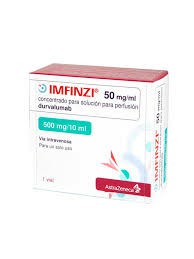
Irvalumab is a fully human monoclonal antibody developed by AstraZeneca (AstraZeneca AB). It mainly blocks the binding of PD-L1 on the surface of tumor cells to the PD-1 receptor of T cells, thereby removing the suppression of the immune system by tumors and enhancing the anti-tumor activity of T cells. In terms of clinical application, durvalumab is mainly suitable for the maintenance treatment of patients with locally advanced unresectable small cell lung cancer, non-small cell lung cancer (NSCLC), and the treatment of certain patients with locally advanced or metastatic urothelial cancer. It is characterized by intravenous administration and use for maintenance treatment in stable disease after patients receive radiotherapy and chemotherapy. This strategy can prolong progression-free survival and improve overall prognosis.
Atezolizumab (Atezolizumab) was developed by Roche (Roche). It is also a fully human PD-L1 monoclonal antibody, but its scope of indications is slightly different. Atezolizumab is commonly used in the treatment of metastatic non-small cell lung cancer, triple-negative breast cancer and urothelial cancer, especially in combination chemotherapy regimens. Its mechanism of action is also to block the PD-L1 pathway, but in some clinical strategies, atezolizumab emphasizes the combined use with other anti-cancer drugs to enhance the overall efficacy.
From the perspective of pharmacological properties, both are PD-L1 inhibitorsBut durvalumab is designed to emphasize long-term maintenance of immune activation and is suitable for maintenance treatment in the stable stage of the disease. Atezolizumab shows a synergistic effect in the combination regimen and is suitable for patients with more active disease or who need to quickly control tumor burden. Both can activate T cells and delay tumor progression, but there are slight differences in the types and incidence of immune-related side effects. Common side effects include rash, fatigue, mild to moderate endocrine abnormalities or pneumonia, etc., but they are generally controllable and can be used safely by most patients under standardized monitoring.
In terms of convenience of medication, both are administered by intravenous infusion, but durvalumab usually has a longer interval in the maintenance treatment regimen to facilitate long-term management, while atezolizumab often adjusts the infusion cycle according to the combination chemotherapy regimen, with more emphasis on simultaneous application with other drugs. When choosing which drug to choose, doctors will comprehensively evaluate the patient's tumor type, disease stage, previous treatment history and tolerance, and formulate an individualized treatment plan.
In general, durvalumab and atezolizumab are both representatives of PD-L1 inhibitors, but their clinical positioning is slightly different. Durvalumab is more suitable for maintenance treatment in stable disease, focusing on prolonging progression-free survival; atezolizumab is widely used in combination therapy and is suitable for patients with higher disease activity. Understanding the pharmacological characteristics, indications and clinical application strategies of the two can help doctors accurately select drugs, and at the same time help patients with long-term management and side effects monitoring, thereby maximizing the efficacy of immunotherapy.
Reference materials:https://www.imfinzi.com/
[ 免责声明 ] 本页面内容来自公开渠道(如FDA官网、Drugs官网、原研药厂官网等),仅供持有医疗专业资质的人员用于医学药学研究参考,不构成任何治疗建议或药品推荐。所涉药品可能未在中国大陆获批上市,不适用于中国境内销售和使用。如需治疗,请咨询正规医疗机构。本站不提供药品销售或代购服务。


