
.jpeg)
Possible hazards caused by long-term use of 0.01% atropine sulfate eye drops (EIKANCE)
Although 0.01% atropine sulfate eye drops (EIKANCE) is a low-concentration drug, long-term use to control myopia still requires attention to potential risks. Atropine is a non-selective anticholinergic drug that mainly acts on the ciliary muscle and pupil, slowing down the axial growth of the eye by inhibiting the accommodation response. Low concentrations of 0.01% are generally well tolerated, but some children may experience mild pupil dilation, photophobia, or mild impairment of accommodation. In most cases, these symptoms can resolve themselves after short-term adaptation and do not affect daily study and life.
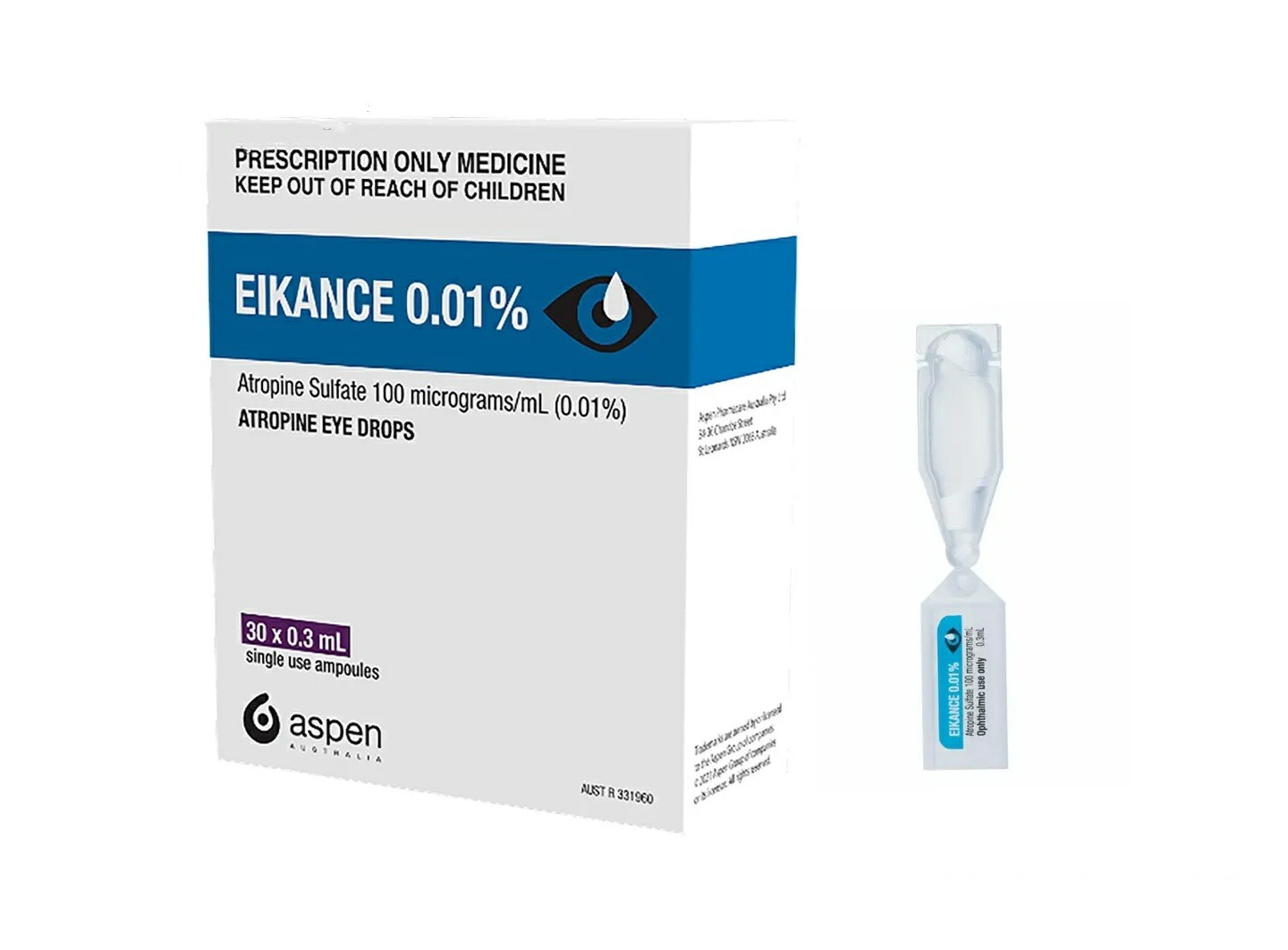
Long-term use may cause local dryness of the eyes or occasional conjunctival irritation. Therefore, hands should be washed before use and eye drops should be performed in a standardized manner to avoid contamination of the solution or contact with the eyelids. Individual differences may also affect the efficacy of the drug. Some children have slightly lower axial growth control effects. This is related to genetic factors and the natural development of the eyeball, and is not drug toxicity.
Doctors recommend that axial length, refraction and eye health be reviewed every 3 to 6 months, and the medication plan should be adjusted based on the monitoring results. If significant side effects or poor tolerability occur, dose adjustment or temporary discontinuation should be considered while continued monitoring of eye condition. Scientific management and standardized operation are the keys to reducing long-term risks and improving efficacy.
Taken together,0.01% atropine sulfate eye drops are generally safe for long-term use, with mild and controllable side effects. Parents, under the guidance of doctors, combined with daily life intervention, regular review and scientific monitoring, can allow children to safely and effectively control the progression of myopia and achieve long-term vision health management goals. In addition, parents should pay attention to the daily manifestations of children's eyes, such as photophobia, tearing or vision fluctuations, and provide timely feedback to doctors to ensure the safety and efficacy of drug use.
Reference materials:https://www.eikance.com.au/
[ 免责声明 ] 本页面内容来自公开渠道(如FDA官网、Drugs官网、原研药厂官网等),仅供持有医疗专业资质的人员用于医学药学研究参考,不构成任何治疗建议或药品推荐。所涉药品可能未在中国大陆获批上市,不适用于中国境内销售和使用。如需治疗,请咨询正规医疗机构。本站不提供药品销售或代购服务。


