
.jpeg)
Liver function monitoring indicators and methods during tepotinib (Tuodekang) treatment
Tepotinib (Tepotinib) is an oral METtyrosine kinase inhibitor, mainly used to treat MET exons14Skip mutation (METex14)-positive non-small cell lung cancer (NSCLC) patients. During clinical use, liver function monitoring is a very important safety management link, because tepotinib may cause elevated liver enzymes or abnormal liver function, thus affecting the safe medication and efficacy of patients.
The main indicators for liver function monitoring include alanine aminotransferase (ALT), aspartate aminotransferase (AST), total bilirubin (< /span>TBIL), direct bilirubin (DBIL) and alkaline phosphatase (ALP), etc. Baseline examination should be performed before treatment to clarify the patient's liver function status and evaluate whether tepotinib is suitable for use. For patients with hepatic impairment, doctors often adjust the dose or implement a more stringent monitoring regimen on a case-by-case basis.
During treatment, the frequency of liver function tests is generally once every 2-4 weeks, especially during the initial stage of treatment or during the dose adjustment phase, which requires closer observation. Once ALT or AST is found to be significantly elevated (for example, reaching more than 3 times the upper limit of normal), doctors may consider temporarily discontinuing the drug, adjusting the dose, or strengthening follow-up, while also investigating other factors that may cause abnormal liver function, such as concomitant medications or viral infections. Patients with elevated bilirubin or symptoms of jaundice also need to be treated promptly to avoid serious liver damage.
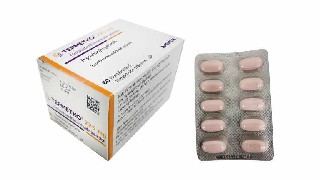
In addition, liver function monitoring not only relies on blood biochemical indicators, but also should be combined with clinical symptom observation. If patients develop symptoms such as fatigue, loss of appetite, nausea, jaundice or dark urine while taking the medicine, they should inform their doctor in time. Through the combination of hematological indicators and clinical manifestations, the risk of liver injury can be detected early and effective intervention measures can be taken, such as drug discontinuation, dose adjustment or symptomatic treatment, to ensure the safety and continuity of tepotinib treatment. In short, standardized and systematic liver function monitoring is an important part of the safe medication management of tepotinib, which is of great significance for reducing drug-related risks and ensuring treatment efficacy.
Reference link:https://www.drugs.com
[ 免责声明 ] 本页面内容来自公开渠道(如FDA官网、Drugs官网、原研药厂官网等),仅供持有医疗专业资质的人员用于医学药学研究参考,不构成任何治疗建议或药品推荐。所涉药品可能未在中国大陆获批上市,不适用于中国境内销售和使用。如需治疗,请咨询正规医疗机构。本站不提供药品销售或代购服务。


